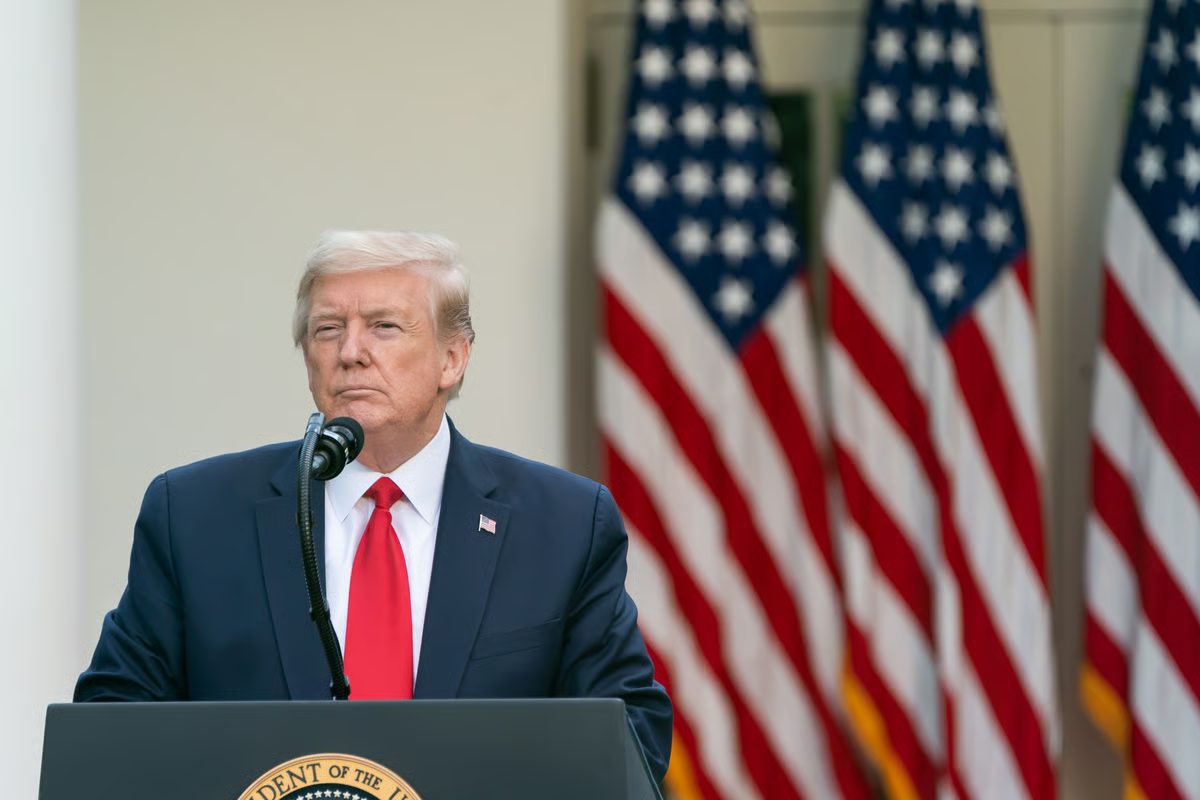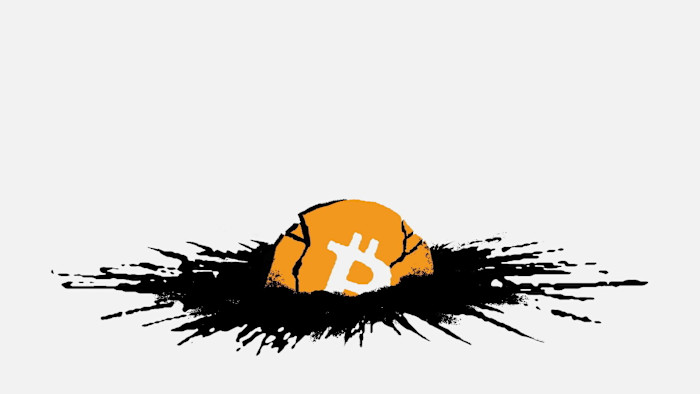
In recent weeks, the cryptocurrency landscape has faced a tumultuous shift, particularly for Bitcoin, which recently experienced its most significant crash since 2022. The digital asset plummeted close to $60,000, erasing the gains made following Donald Trump’s announcement of his candidacy for the 2024 presidential race. This downturn represents over a 50% decrease from its record high of more than $127,000 reached last October, leading to a staggering $1.25 billion worth of Bitcoin positions liquidated within a single day, as reported by data from Coinglass.
The common narrative among Bitcoin supporters, characterized by an unwavering confidence in the cryptocurrency’s resilience, now faces harsh scrutiny. Prominent figures in the cryptocurrency sector, such as Balaji Srinivasan, a notable crypto advocate and former CTO of Coinbase, continue to project optimism, claiming that the current market dynamics are merely a blip in the rise of a “code-based order” overshadowing a declining “rules-based order.” Conversely, Michael Saylor, CEO of Strategy, which has heavily invested in Bitcoin, engaged in damage control during a recent earnings call, emphasizing the necessity of political backing for the cryptocurrency sector. Saylor’s firm holds over 713,000 BTC, accounting for approximately 3.4% of all Bitcoin in circulation.
Despite Saylor’s assertions regarding the need for a supportive political environment, challenges persist. The current administration, which some have dubbed a “bitcoin president,” has made efforts to create a more hospitable atmosphere for cryptocurrency through initiatives such as allowing cryptocurrency in 401(k) accounts and establishing strategic reserves. Nonetheless, the anticipated rallying of Bitcoin in response to these political maneuvers has failed to materialize, raising questions about the fundamental viability of the cryptocurrency.
As sentiment wanes, it seems the pool of “greater fools”—those willing to invest in Bitcoin based on the belief that its value will only increase—may be diminishing. Many are starting to confront the reality that the underlying value of an asset built on speculation and collective belief may be unsustainable. The pressing question arises: Will Bitcoin endure over the next century?
While it remains uncertain whether this recent downturn represents the beginning of Bitcoin’s ultimate decline, the shift in market sentiment is evident. Observers note that the optimism propelling the cryptocurrency has begun to falter. As the narrative shifts and skepticism grows, industry insiders must grapple with the harsh realities of a market that may be more fragile than previously believed.