Bitcoin maintains a stable position around the $109,000 mark, demonstrating notable resilience amid growing volatility in traditional financial markets. This relative steadiness coincides with the recent release of the U.S. Personal Consumption Expenditures (PCE) inflation data. The figures reflected market expectations, suggesting that inflation is not accelerating faster than anticipated, which could prevent the Federal Reserve from needing to implement aggressive interest rate hikes in the near future.
The stability of Bitcoin is considered a positive development for risk assets. With inflation figures aligning with forecasts, investors may feel more secure, potentially boosting demand for cryptocurrencies as alternatives to conventional assets.
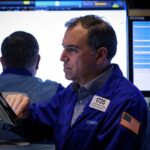
In contrast to the calm in the crypto realm, traditional markets are experiencing mixed signals. U.S. stock futures displayed a divided sentiment in pre-market trading, with Nasdaq futures declining by 0.51%, reflecting investor apprehension in the technology sector. Conversely, S&P futures saw a slight increase of 0.25%.
The uncertainty stems from newly introduced tariffs by the U.S. government, causing concern among investors, particularly those engaged in global technology markets. The prospect of fluctuating trade dynamics is heightening volatility, leading traders to closely observe the evolving landscape.
Despite these challenges in conventional financial markets, Bitcoin’s ability to stay above the critical $100,000 threshold may serve as an important psychological marker for investors. If macroeconomic conditions continue to stabilize and inflation remains in check, Bitcoin could emerge as an appealing option for those seeking refuge from traditional investments.
This robust performance may indicate an evolution in the crypto market, suggesting a gradual separation from the influences of traditional financial sectors. As market dynamics evolve, the developments surrounding Bitcoin will be of significant interest, particularly as investors navigate through the current economic landscape.