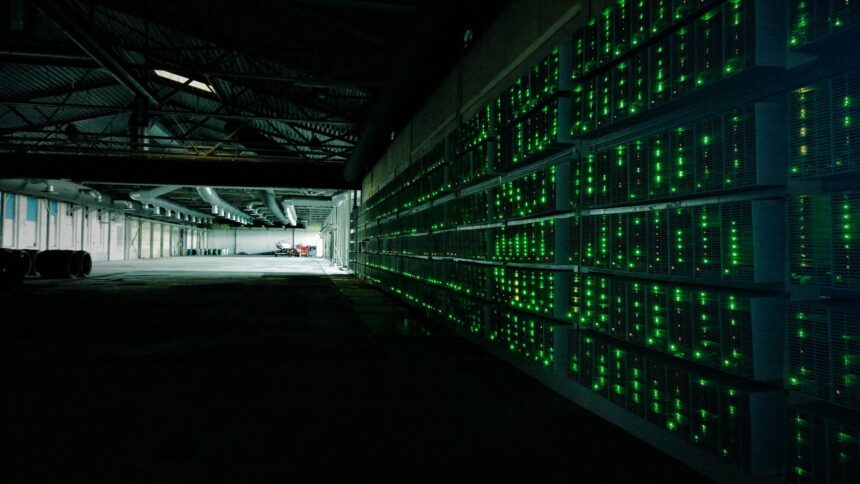
Bitcoin mining difficulty experienced a significant increase of approximately 15% on February 20, reaching a new high of 144.4 trillion. This surge marked a notable rebound from an 11% decrease earlier in the month, which had been the most pronounced drop since China imposed its mining ban in 2021. The initial decline was exacerbated by severe weather conditions that disrupted mining operations across the United States.
The adjustment in mining difficulty can be attributed to the resurgence of the hash rate, which measures the total computational power dedicated to securing the Bitcoin network. In late January, Foundry USA, the largest mining pool by hash rate, faced a sharp decline in its computing power—plummeting from nearly 400 exahashes per second (EH/s) to approximately 198 EH/s. However, as US miners began restoring their operations in the wake of the storm, the hash rate began to recover, paving the way for the upward adjustment in mining difficulty.
This increase in difficulty means that it will require more computational effort for miners to earn block rewards, further tightening the already slim profit margins for those engaged in Bitcoin mining. Many miners are facing persistent cost pressures, making the landscape increasingly challenging.
Some miners reported that the outages caused by storms did not necessarily translate into significant financial losses. Due to demand response programs and flexible power contracts, miners can pause their operations and sell excess electricity back to the grid when electricity prices surge. Bruce Rodgers, chairman and CEO of Bitcoin miner LM Funding America, highlighted the effectiveness of such strategies, stating, “In January, our power infrastructure highlighted the flexibility of our operating model.” A recent report from LM Funding indicated that the company managed to redirect contracted power back to the grid during Winter Storm Fern, generating more than a quarter of its typical quarterly energy and curtailment revenue over just one weekend.
As the mining landscape continues to evolve, the United States has solidified its status as the premier hub for Bitcoin mining. According to data from the Cambridge Centre for Alternative Finance, the US now accounts for over one-third of the global hash rate, especially following the crackdown on mining operations in China in 2021. Canaan, a Singapore-based manufacturer of mining hardware with operations in the US, noted that it participated in power curtailments during the storm-impacted periods in collaboration with site partners. This cooperative approach reflects the industry’s adaptability in navigating challenges while addressing broader energy market dynamics.