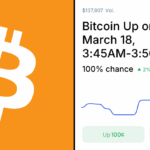
Bitcoin is entering the March Federal Open Market Committee (FOMC) meeting on a high note, currently trading above $74,000 after experiencing eight consecutive days of gains. However, data from the bitcoin lender Two Prime highlights a potentially concerning pattern: FOMC meetings have historically tended to trigger short-term bearish trends for Bitcoin.
An analysis of past performance shows that in 2025, Bitcoin recorded negative returns within 48 hours following seven out of eight FOMC meetings. Interestingly, this trend persists even in instances, like May’s sharp BTC rally, suggesting that it’s the FOMC meeting itself—regardless of whether the Federal Reserve holds rates steady or shifts its policy direction—that tends to induce volatility in Bitcoin prices.
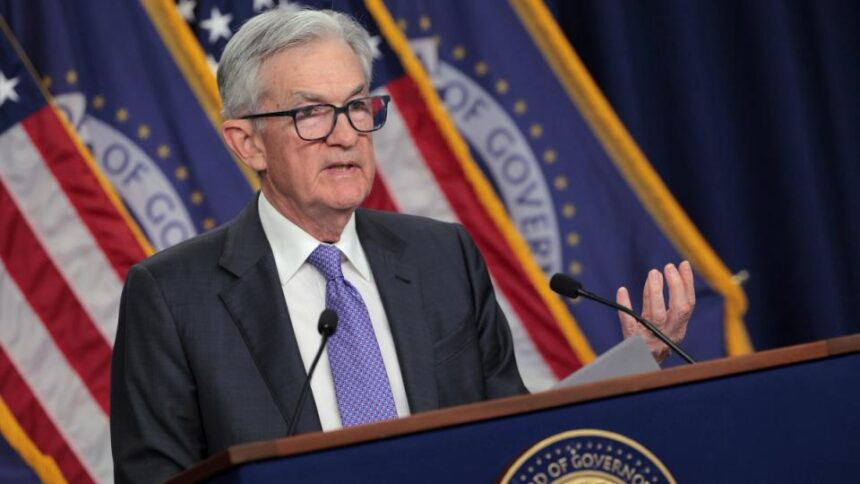
Market expectations for the upcoming FOMC decision are leaning heavily towards continuity, with a near certainty, approximately 99%, that the Federal Reserve will maintain interest rates within the 350 to 375 basis point range. Meanwhile, futures markets anticipate only a single 25-basis-point rate cut by the year’s end, reinforcing a sentiment of prolonged higher rates. This backdrop is set to remain unchanged even with Kevin Warsh poised to take over as the new Federal Reserve chair in June.
Compounding these economic considerations are macro risks that could further influence market behavior. Escalating tensions in the Middle East coupled with oil prices hovering around $100 per barrel are expected to exert upward pressure on Consumer Price Index (CPI) inflation figures. This situation could limit the Federal Reserve’s ability to ease monetary policy further, particularly in a climate marked by a weakening jobs market.
With Bitcoin experiencing a robust surge leading into the FOMC meeting, analysts suggest that the environment is ripe for a classic “sell the news” reaction, raising speculation about potential volatility after the meeting concludes. Investors will be closely monitoring both the Federal Reserve’s decision and subsequent market reactions to gauge how Bitcoin may navigate the aftermath.