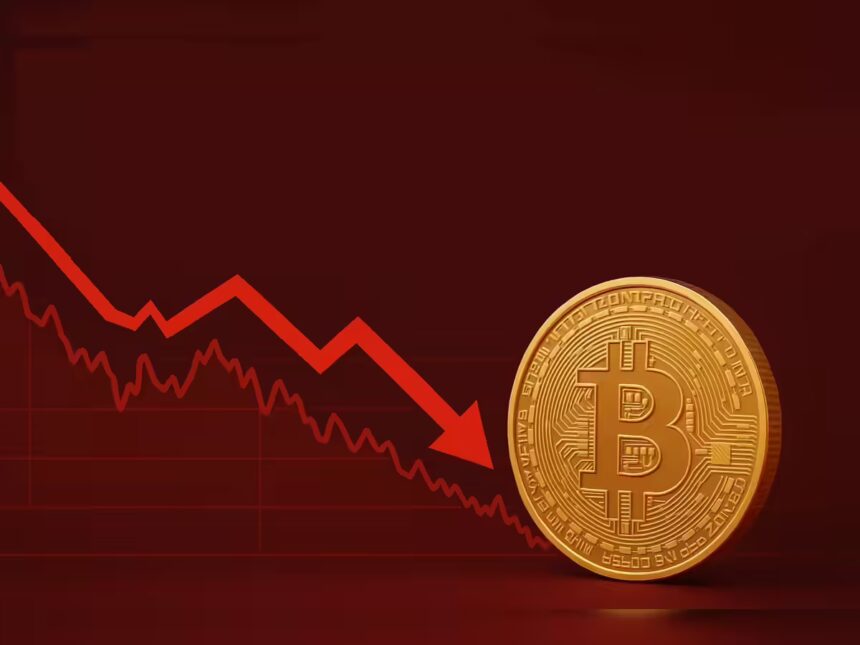
The recent sharp decline in Bitcoin’s value has left many investors reeling. After reaching a staggering height of over $126,000 in early October, the cryptocurrency experienced a significant fall, dipping below the $90,000 mark on Tuesday. The drop raises questions about the current state of investor sentiment towards Bitcoin and other cryptocurrencies.
The catalyst for Bitcoin’s recent price fluctuations can be traced back to political developments and financial shifts. Following a series of record highs driven by optimism surrounding Donald Trump’s return to the White House and his supportive stance on cryptocurrencies, the landscape has since altered. Bitcoin’s ascent to over $100,000 initially occurred in May, before peaking last month. This surge was partially fueled by expectations of an interest rate cut from the Federal Reserve, buoyed by softer US job data that resulted in a weakened dollar.
However, the situation took a turn when Trump’s rhetoric about a potential trade war with China emerged, prompting investors to pivot to safer assets amidst heightened uncertainty. The volatility has proven costly for many, with reports indicating that approximately $20 billion in Bitcoin trades were liquidated, leaving those who anticipated continued growth facing substantial losses.
As Bitcoin struggled, it lost nearly 25% of its value since the early October peak, marking a notable trend of decline for various other cryptocurrencies, including Dogecoin. The broader financial market has been feeling the impact of extended government shutdowns in the U.S., which have stymied the release of key economic data necessary for assessing future Federal Reserve actions. This uncertainty has further influenced Bitcoin’s price trajectory, especially as some Federal Reserve officials have hinted that an immediate rate cut may not be on the agenda for the upcoming December policy meeting.
Market analysts suggest that renewed expectations for a rate cut, based on more favorable economic indicators, could quickly reverse current trends and reignite interest in Bitcoin and similar assets. Simon Peters, a broker at eToro, indicated that favorable developments could lead to a rapid rally in prices.
Looking forward, industry experts express concerns over the underlying factors contributing to the recent disenchantment with Bitcoin. John Plassard from Cite Gestion noted a growing wariness among investors due to past volatility, particularly regarding speculative cryptocurrencies. Thomas Probst of Kaiko also remarked on how the inherent volatility of the crypto sector poses challenges to its broader adoption, both by individual investors and institutional entities.
Despite these challenges, the landscape is not devoid of optimism. Institutional interest in cryptocurrencies continues to grow, aided by increasing regulatory frameworks designed to provide more clarity and security. The European Union’s MiCA regulation, implemented late last year, is a testament to this shift, with discussions ongoing in the UK for potential regulations by 2026.
In conclusion, although Bitcoin’s current struggles reflect a broader market downturn, they also spotlight the evolving nature of cryptocurrencies and their potential future within the financial ecosystem. As the industry seeks stability and a clearer regulatory framework, the path forward remains uncertain but filled with possibilities.