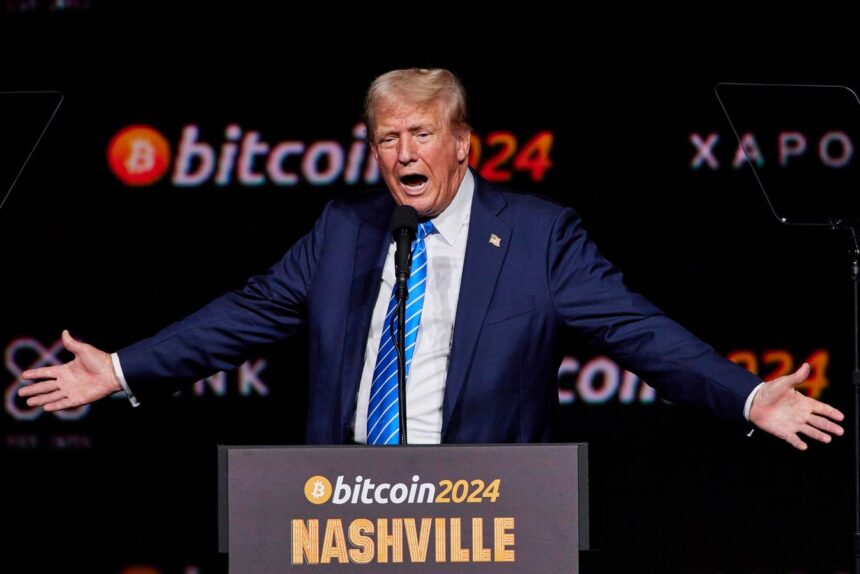
Bitcoin and cryptocurrency markets are experiencing a remarkable surge, with the total market valuation reaching an unprecedented $4 trillion. This uptrend has been fueled by various factors, including the ongoing turmoil surrounding the U.S. dollar, which some analysts claim is on the brink of a potential crisis.
Recently, Bitcoin soared to a staggering price of over $124,000 per coin, marking a significant increase that has left many optimistic about its future. Bullish traders are now speculating that Bitcoin’s price could eventually reach $2 million. This enthusiasm comes amid comments from a key advisor to Russian President Vladimir Putin, who suggested that the U.S. of President Donald Trump is attempting to leverage cryptocurrency to mitigate its towering national debt, which currently stands at around $37 trillion.
Anton Kobyakov, Putin’s advisor, stated at the Eastern Economic Forum that the U.S. is attempting to redefine the rules governing the gold and cryptocurrency sectors, positioning them as alternatives to traditional currencies. Kobyakov underscored the implications of U.S. debt, emphasizing that the country is exploring ways to “erase” this burden at the detriment of global economic stability. Last year, Trump notably mentioned the possibility of using Bitcoin as a means to pay off the staggering national debt, even jokingly suggesting “maybe we’ll pay off our $35 trillion, hand them a little crypto check, right?”
The administration’s stance toward cryptocurrencies has been supportive, with Treasury Secretary Scott Bessent highlighting the potential of stablecoins to bolster the dollar’s position as the world’s reserve currency. This sentiment has occasionally been contrasted with fears related to the growing U.S. debt, which many believe could lead to a crisis for the dollar. Concurrently, soaring gold prices have led to speculation that the Federal Reserve might reevaluate its gold reserves, which are currently recorded at far lower values than their market worth.
Kobyakov further stated, “As in the 1930s and the 1970s, the U.S. plans to solve its financial problems at the world’s expense—this time by pushing everyone into the ‘crypto cloud.’” As part of this strategy, he claimed that Washington could convert a segment of its national debt into stablecoins, allowing the government to effectively devalue that debt and start anew.
As Russia, along with other nations such as China and Iran, seeks to establish an independent financial framework that diminishes reliance on the dollar, the actions of the U.S. government are drawing international scrutiny. Kobyakov highlighted that these moves illustrate the urgent need for the U.S. to restore confidence in its currency. The overarching strategy appears designed to mitigate the collapse of trust in the dollar, as the U.S. pivots towards integrating cryptocurrencies into its financial ecosystem to manage its overwhelming debt.
The evolving landscape signals that the interplay between government policies and cryptocurrency markets will continue to influence global financial dynamics in the near future.