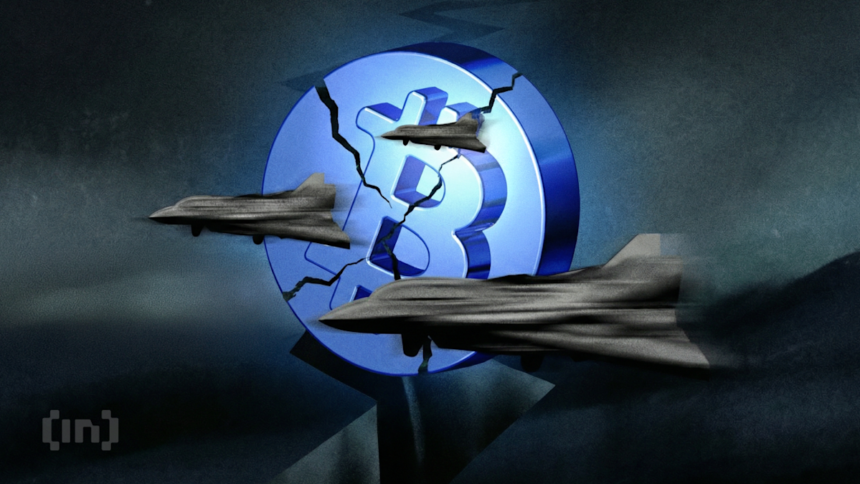
Bitcoin experienced a sharp recovery after a volatile week, buoyed by signals of a potential peace deal between the United States and Iran, which alleviated some of the anxiety in global markets. The rebound followed several days of significant selling pressure, fueled by hawkish comments from the Federal Reserve, fears related to oil shocks, and a generally weak risk appetite among investors.
As Bitcoin recovered from a one-month low, the cryptocurrency began to edge back towards the $77,000 mark. This resurgence occurred after President Donald Trump announced that a memorandum of understanding aimed at fostering peace between the US and Iran had been largely negotiated. Such comments provided a calming effect on the markets amidst fears of escalating conflict in the Middle East, prompting traders to return to riskier assets.
Significant attention turned not only to Bitcoin but also to selective altcoins, particularly AI tokens, privacy coins, and institutional blockchain initiatives. Cryptocurrencies such as NEAR, Worldcoin, Zcash, ONDO, Morpho, and Hyperliquid enjoyed notable gains. The markets’ movements underscored the connection between crypto assets and geopolitical risks, although the fine details of any final peace deal would still need to address various complex issues, including sanctions, the Strait of Hormuz, and Iran’s nuclear program.
Earlier in the week, Bitcoin faced declines after comments from Federal Reserve Governor Christopher Waller indicated that further rate hikes could be on the table if inflation remains elevated. This news stoked market fears, leading traders to adjust their expectations, incorporating the possibility of a 25 basis point increase by October 2026, exerting pressure on risk assets. The interplay of rising real yields and a strengthening dollar has historically dampened Bitcoin’s prospects, especially amid declining consumer sentiment and rising energy prices.
In addition to geopolitical and economic factors, regulatory clarity also played a pivotal role in shaping this week’s cryptocurrency narrative. Grayscale Investments pointed out that Ethereum, Solana, BNB Chain, and the Canton Network could stand to benefit significantly if the CLARITY Act is passed. The asset manager suggested that institutional capital is likely to gravitate toward chains exhibiting strong activity in tokenized assets, stablecoins, decentralized finance (DeFi), and regulated financial services. Ethereum and Solana, recognized for their liquidity and developer engagement, emerged as frontrunners in this regard, while Canton stands out due to its unique focus on regulated financial institutions and its existing ties with industry giants like DTCC, J.P. Morgan, HSBC, and Visa.
In a surprising turn of events, SanDisk has emerged as the most profitable investable asset of 2026 thus far, recording a 509% rise between January 1 and May 20. The stock surge was driven by increased demand for memory chips in AI data centers, highlighting the capital influx into traditional equities stemming from advancements in AI infrastructure. In stark contrast, Bitcoin has struggled, down nearly 23% year-to-date, suggesting that the cryptocurrency has lagged behind in the current risk rally.
Meanwhile, Cardano became the center of attention due to a governance battle over its research funding. Founder Charles Hoskinson cautioned that the network could face losses in talent and research capabilities if a treasury proposal for 32.9 million ADA fails. This funding is essential for advancements in areas like post-quantum cryptography, zero-knowledge proofs, scalability, and collaborations with academic institutions. However, resistance to the proposal is strong, with approximately 81% of active dRep stakeholders opposed, leaving it well below the necessary 67% approval for passage.
The developments throughout the week highlight the complexities and interdependencies within the cryptocurrency landscape, influenced by global events, regulatory shifts, and internal governance challenges.