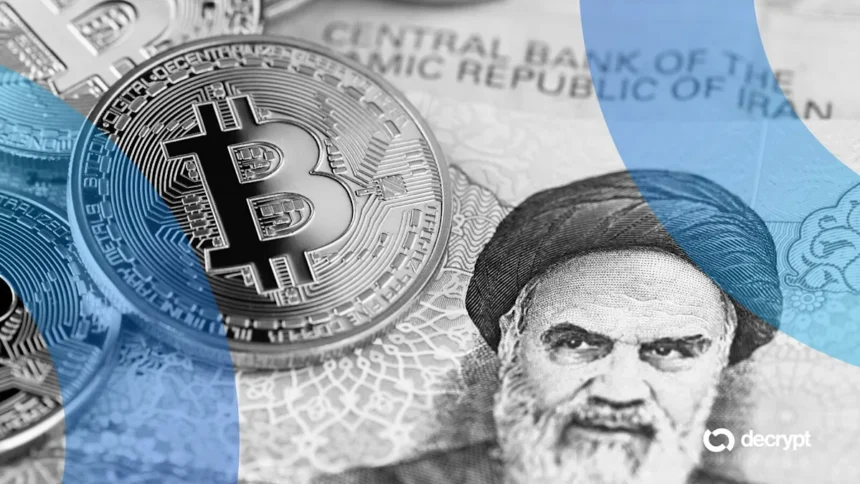
Bitcoin has surged to its highest level in a week, currently trading at $71,500, a significant increase of 2.6%. This uptick comes amidst escalating tensions in the Middle East, which are exerting pressure on traditional equity markets. The latest developments in the U.S.-Israel conflict involving Iran, which started on February 28, have also contributed to the volatility in financial markets.
Concerns surrounding the potential for a prolonged conflict have driven oil prices higher, with Brent crude futures climbing 9.2% to close above $100 per barrel. This marks the first time oil has reached this level since Russia’s invasion of Ukraine in 2022 and represents the largest single-day increase for Brent futures since the onset of the COVID-19 pandemic in May 2020. U.S. President Donald Trump emphasized that preventing Iran from developing nuclear weapons takes precedence over fluctuating oil prices, stating on Truth Social, “The United States is the largest oil producer in the world, by far, so when oil prices go up, we make a lot of money.”
Volatility in the market is further exacerbated by potential disruptions in the Strait of Hormuz, a critical shipping route for global oil shipments, raising uncertainties around how quickly the conflict can be resolved. Nic Puckrin, co-founder of Coin Bureau, remarked that although Bitcoin has shown “tentative signs of improvement,” prolonged oil shocks typically lead to Bitcoin price declines. He noted that global liquidity conditions are currently stable, which helps bolster investor confidence; however, this could change if the crisis intensifies and trust in U.S. leadership falters.
While stock markets have reacted negatively, with the S&P 500 falling 1.52%, the Dow experiencing a 1.56% decline, and the Nasdaq dropping 1.73%, Bitcoin has demonstrated resilience. Ryan McMillin, chief investment officer at Merkle Tree Capital, suggested that the current strength of Bitcoin might reflect a structural demand within the cryptocurrency market itself rather than a significant decoupling from broader macroeconomic trends. He pointed to a specific product, STRC, which offers an 11.5% yield tied to Bitcoin exposure, that has attracted substantial investment. McMillin revealed that Strategy, the firm behind STRC, has been purchasing significant amounts of Bitcoin, with nearly 18,000 BTC acquired recently and an estimated additional 4,000 to 5,000 BTC purchased in the past few days.
While these developments indicate strong interest in Bitcoin, McMillin cautioned against drawing definitive conclusions about Bitcoin’s relationship with traditional risk assets. The correlation between Bitcoin and equities has shown signs of inversion in the past, making it unclear if the current trends mark a permanent shift. For now, he believes the strong inflows are predominantly driven by crypto-specific demand, suggesting a unique moment in the market landscape.