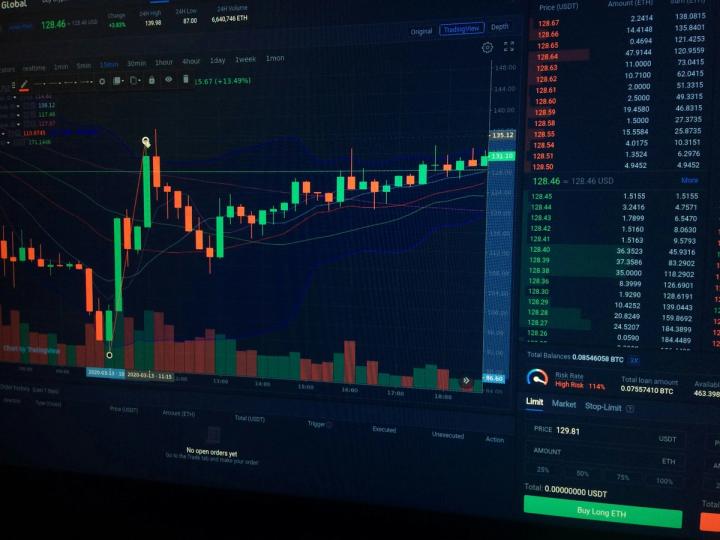
A recent report from Binance Research suggests a notable shift in how Bitcoin interacts with Federal Reserve policy, indicating that the cryptocurrency may no longer respond in sync with traditional monetary indicators. This change is attributed to the emergence of spot exchange-traded funds (ETFs), which appear to have altered the dynamics of crypto trading.
Historically, Bitcoin’s value closely tracked the signals from central bank policies, often experiencing declines when monetary tightening occurred. However, data from Binance reveals a significant shift: since 2024, Bitcoin’s correlation with the Global Easing Breadth Index—an index that monitors 41 central banks—has turned strongly negative. This follows the approval of spot Bitcoin ETFs by the U.S. Securities and Exchange Commission (SEC) in January 2024.
Before the introduction of ETFs, Bitcoin’s relationship with global monetary policy was mildly positive, with the cryptocurrency generally lagging behind by several months in its reactions to easing cycles. Currently, the inverse relationship has intensified, indicating that Bitcoin’s market responses may now be driven by different factors. The report highlights that the negative correlation is nearly three times stronger than its previous precedents, suggesting a fundamental shift in market behavior.
This transformation can be attributed to a change in the profile of Bitcoin investors. Retail investors traditionally dominated the crypto market and were influenced by macroeconomic news. With the introduction of ETFs, institutional investors have gained a more substantial presence, often making strategic moves well in advance of policy shifts. As a result, Bitcoin may now function as a proactive asset, responding to forthcoming economic trends rather than following macroeconomic indicators in arrears.
Binance Research emphasizes that Bitcoin has likely transitioned from being a “lagging receiver” of macroeconomic news to a “leading pricer.” This concept implies that Bitcoin could anticipate changes in monetary policy, such as a peak in easing measures, which may already be considered outdated news by the time they become apparent to traditional markets. Consequently, factors intrinsic to the cryptocurrency landscape—such as regulatory developments and institutional investment flows—might hold more significance than overarching monetary trends.
These findings emerge amid increasing concerns over stagflation, spurred by rising oil prices and escalating geopolitical tensions, particularly surrounding the conflict in the Middle East. The landscape of interest rate expectations is also shifting dramatically, oscillating between anticipated cuts and potential hikes—a scenario that traditionally weighs heavily on risk assets, including cryptocurrencies.
Binance contends that market reactions to these developments might be exaggerated. Historically, central banks have pivoted to favor growth even in the face of inflationary pressures. Should past patterns recur, it is likely that central banks will eventually prioritize economic growth over inflation control, with Bitcoin potentially indicating such a pivot earlier than conventional asset classes.