Bitcoin has experienced significant volatility this month, driven in parts by alarm bells from prominent figures and warnings of an impending dollar and financial crisis that have unsettled traders. This turmoil follows a dramatic “flash crash” that saw Bitcoin plunge towards the $100,000 mark. However, a resurgence has seen the cryptocurrency rebound, rising nearly 10% to surpass $111,000. The surge was further bolstered by Binance founder Changpeng “CZ” Zhao, who issued an eye-popping prediction that Bitcoin could reach a staggering $28 trillion valuation.
As discussions around U.S. economic policies heat up, with President Donald Trump considering a $2,000 Covid stimulus check-style dividend, Wall Street analysts are bracing for significant policy shifts from the Federal Reserve. Observers anticipate that the Fed may halt its quantitative tightening measures, which have been instrumental in reducing its balance sheet from approximately $9 trillion to $6.6 trillion. This potential shift in policy could pave the way for a renewed round of central bank money printing, feeding speculation that Bitcoin could escalate to a price of $1 million.
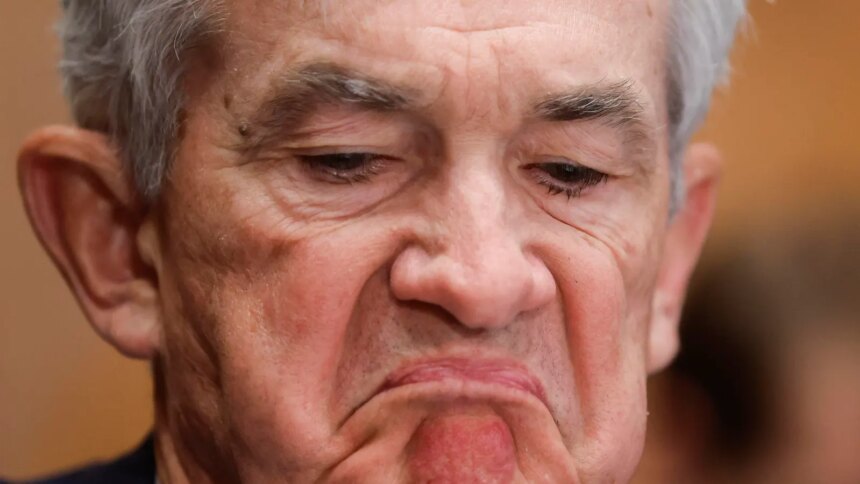
Federal Reserve Chair Jerome Powell has hinted at ending quantitative tightening, which has been constricting liquidity in the market. In comments earlier this month, Powell indicated, “Starting next year, we’re going to see an acceleration of money printing.” Arthur Hayes, the co-founder of crypto derivatives platform BitMex, echoed this sentiment, suggesting that the conditions are aligning for asset appreciation as monetary policy shifts.
With the Fed’s current strategies focusing on maintaining liquidity, analysts from JPMorgan and Bank of America have predicted that the central bank will soon cease its balance sheet reduction efforts. Their analysis highlighted that the state of money markets should prompt the Fed to reassess its liquidity strategy, indicating that reserves are no longer “abundant.”
Interest rates are also a crucial aspect of the economic landscape. The Fed is expected to implement another rate cut soon, likely reducing rates by 25 basis points. Such adjustments are expected to generate more favorable conditions for risk assets, including Bitcoin, by increasing cash flow in the economy.
In the midst of this speculation, the delayed consumer price index (CPI) report revealed that U.S. inflation for September rose to 3%, falling short of economists’ expectations of 3.1%. This data has led some experts to contemplate whether the Fed might consider more substantial cuts in the coming months, particularly as the central bank remains focused on labor market concerns.
Despite a recent dip from its all-time highs, analysts are optimistic about Bitcoin’s trajectory. The cryptocurrency has been closely following the movements of gold, both of which have surged as investors seek hard assets in response to concerns over dollar debasement. Some observers note that while gold and silver are primarily influenced by fiat currency fluctuations, Bitcoin still retains strong ties to major technology sectors. Hayes commented on the overarching trend towards fiat debasement, emphasizing that those who are attuned to these developments are shifting their investments towards gold, Bitcoin, silver, and stock markets. He believes cryptocurrency represents one of the most promising avenues for investors.