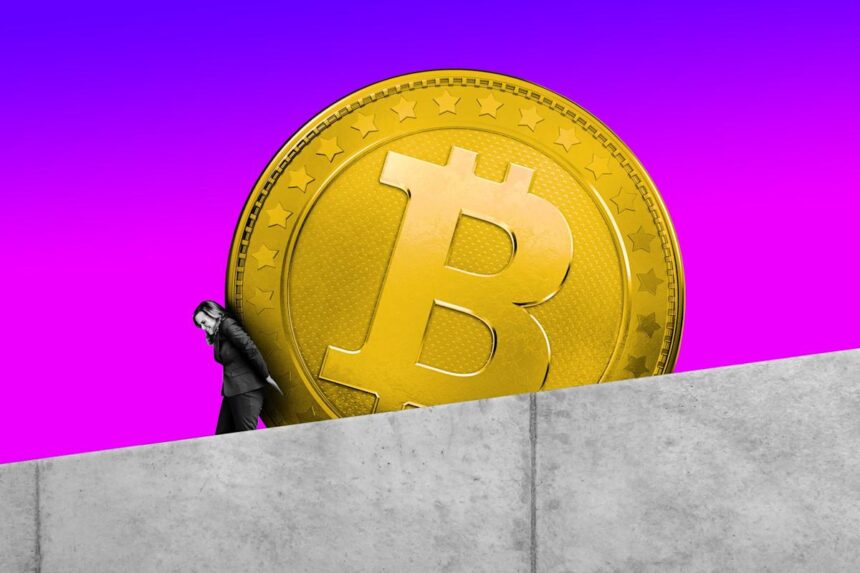
As October progresses, Bitcoin enthusiasts are celebrating what some are calling “Happy Uptober.” Historically, the cryptocurrency has shown resilience during this month, posting positive returns in 10 out of the last 13 Octobers. Recently, Bitcoin surged past the $125,000 mark for the first time, bolstering optimistic predictions that it might exceed $130,000 by Halloween, with current market odds suggesting a 60% likelihood of this happening.
This month’s performance is underpinned by a significant narrative shift in how Bitcoin is perceived. Traditionally, Bitcoin has been championed as “hard money,” an asset immune to the whims of central banks and political maneuvering. As economic conditions deteriorate, the idea has gained traction that individuals should safeguard their wealth in a limited and decentralized asset like Bitcoin, free from the control of corporations and governments.
However, this narrative has often clashed with reality. Despite extensive marketing campaigns positioning Bitcoin as the digital equivalent of gold and the proliferation of “HODL” memes, historical data shows that in times of economic downturn, cryptocurrencies have behaved like high-risk assets that investors flee, alongside junk bonds and emerging markets. This pattern has predominantly characterized Bitcoin—until recently.
Current market dynamics suggest that Bitcoin could be on the verge of fulfilling its original promise as a safe haven. Notably, during the market turbulence caused by the Liberation Day tariff shock in April, Bitcoin’s value increased even while traditional stock markets faced significant declines. This divergence from equities has become more frequent, particularly in light of the ongoing U.S. government shutdown, during which interest in both Bitcoin and gold has surged as investors appear to favor these decentralized assets over U.S. dollars and Treasuries.
If this trend continues, Bitcoin might supplant gold as the preferred safe haven asset, compelling greater scrutiny of the influencers behind the Bitcoin blockchain. This is especially relevant considering recent disputes within the Bitcoin community over proposed updates to its codebase, aimed at allowing more non-financial messages to be integrated into each block. These discussions highlight the concentrated power of a relatively small group of individuals who significantly shape the direction of Bitcoin.
The possible implications of Bitcoin’s ascent could attract attention from diverse stakeholders eager to influence its future. This context raises questions about the recent return of Nick Szabo, one of the most influential early figures in the Bitcoin community, to Twitter after a five-year absence. His re-emergence could signal a renewed interest in Bitcoin’s potential, particularly as it navigates this transformative moment, reinforcing the notion that the cryptocurrency is beginning to live up to its long-promised reputation.