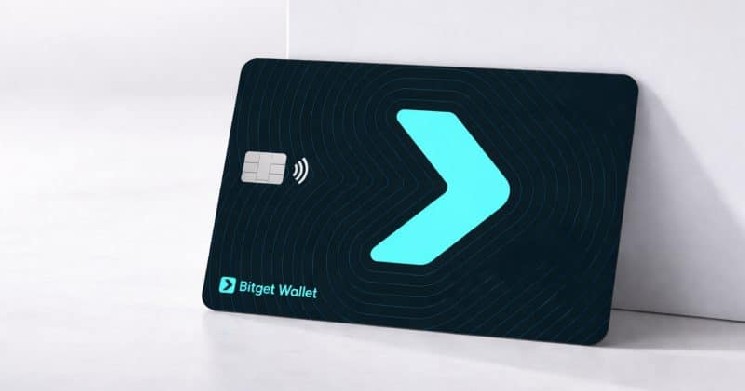
Bitget Wallet has announced the launch of its Onchain Payments Matrix, designed as a global infrastructure layer to bridge fragmented financial systems and facilitate stablecoin payments for everyday transactions, international transfers, and the burgeoning landscape of AI-driven commerce. This innovative system connects prominent industry players, including Ripple, Mastercard, Visa, Tether, Circle, and MoonPay, alongside various regional banks and payment providers, effectively positioning itself as a vital link between blockchain-based assets and traditional financial infrastructures.
In contrast to numerous industry initiatives that concentrate on backend settlements, Bitget’s approach operates primarily at the user and merchant interface. This crucial differentiation allows stablecoins to function as viable payment instruments, removing them from the confines of experimental or strictly institutional use.
Bitget claims that its infrastructure connects around 90 million users to over 150 million merchants across more than 50 markets. It is built to support over 155 million transactions, with a total volume projected to exceed $177 billion, indicating its capacity for handling high-throughput consumer payments seamlessly.
The timing of this launch aligns with a notable increase in adoption rates across the sector. As stablecoin transaction volumes have eclipsed $33 trillion globally, spending via crypto-linked cards has surged more than 500% year-on-year in 2025. Major payment processors like Visa and Mastercard have increasingly sought to incorporate stablecoin operations into their networks, with issuers such as Circle and Tether expanding their influence within global financial systems.
Alvin Kan, COO of Bitget Wallet, highlighted that the critical bottleneck in the industry is no longer scalability but rather the need for enhanced coordination. He described the Onchain Payments Matrix as a dynamic system that aggregates fragmented rails and simplifies blockchain complexities, allowing stablecoins to function as effective means of payment for both individuals and automated systems.
The platform also goes beyond traditional card transactions by supporting QR-based payments available at millions of merchants in Asia and Latin America, alongside facilitating cross-border bank transfers that encompass over 300 financial institutions across diverse regions, including Africa and Latin America.
Looking to the future, Bitget plans to enhance its network further through additional integrations with settlement networks, banks, and stablecoin issuers, all while developing programmable payment infrastructures specifically designed for AI agents. The company anticipates that the growth of agent-driven commerce will necessitate a payments infrastructure capable of supporting both human and machine participants in real-time transactions.