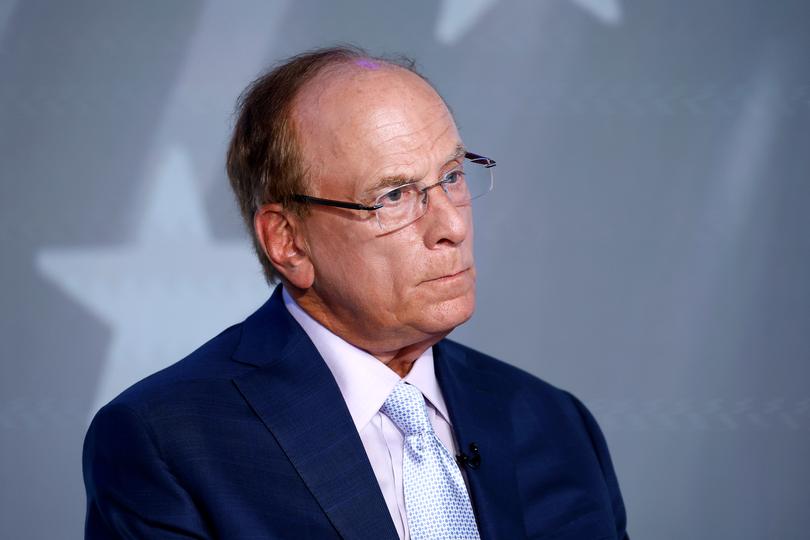
In a compelling letter to shareholders, BlackRock Chairman and CEO Larry Fink underscored the transformative potential of digital assets and tokenization in addressing the deficiencies of the current financial system. While advocating for innovation, he also highlighted a pressing concern: the existing economic model in the U.S. is failing to benefit a significant portion of the population, with the gains largely concentrated among asset owners.
Fink articulated a vision where the current financial landscape, characterized by inequality and limited access to capital markets, could be rejuvenated by leveraging digital technology. He pointed out that many workers remain disconnected from market growth, contributing to broader socioeconomic challenges such as rising inequality and mounting government debt. “Capitalism is working—just not for enough people,” he remarked, emphasizing the urgent need for a revitalized approach to finance.
Central to Fink’s proposal is the concept of tokenization, which he believes could modernize the fundamental structures of the financial system. By digitizing asset ownership on secure ledgers, processes for issuing and trading investments would become faster and more economical. This innovation could lead to the creation of regulated digital wallets that not only facilitate transactions but also allow individuals to invest in a diverse array of assets, including tokenized bonds and fractional ownership in infrastructure projects.
Fink envisioned a future where a digital wallet, already ubiquitous among half the world’s population, could serve as a gateway for everyday people to easily engage in long-term investing. He compared the current state of tokenization to the early days of the internet in the mid-1990s, suggesting that while it may not replace traditional finance overnight, it has the potential to effectively bridge old and new systems over time.
To facilitate this transition, Fink urged policymakers to move swiftly but cautiously, advocating for the establishment of clear buyer protections, standards for counterparty risk, and robust digital identity checks to mitigate risks associated with illicit finance.
This letter is part of BlackRock’s broader strategy to dominate the digital asset space. Fink reported that the firm has already made significant strides, managing nearly $150 billion in assets tied to digital markets. Notably, BlackRock operates the world’s largest tokenized fund, the USD Institutional Digital Liquidity Fund (BUIDL), in addition to holding $65 billion in stablecoin reserves and approximately $80 billion in digital asset exchange-traded products.
However, the letter also addressed deeper, systemic issues within the U.S. financial framework. Fink cautioned that financial institutions, corporations, and governments face increasing challenges in funding significant economic changes alone, especially as the nation seeks to enhance its manufacturing capabilities, expand energy production, and engage in artificial intelligence innovation. He pointed out that while Social Security remains a vital safety net, it may require structural reform to ensure long-term sustainability, potentially including exposure to market returns.
Ultimately, Fink views tokenization as a pivotal element within a broader movement towards financial reform. It represents not merely a speculative trend but a fundamental shift that could empower more individuals to participate as investors, rather than remaining spectators in the financial arena. His overarching message is clear: the finance industry requires modernization, and digital assets may play a critical role in this evolutionary process.