The ongoing conflict in Iran is creating a considerable upheaval in the global energy market, with impacts being described as “incomparable” to any previous oil crises. This assessment was shared by BP’s chief economist, Gareth Ramsay, during an industry event at CERAWeek by S&P Global, a prominent gathering for energy professionals.
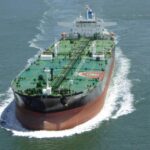
Ramsay emphasized that the current situation should not be likened to any historical disruptions, noting, “there’s been no disruption of this scale.” He highlighted the critical chokepoint of the Strait of Hormuz, the closure of which has become a focal point for analysts, likening it to a worst-case scenario that had once seemed implausible. The waterway is pivotal for oil transport, and its current closure is estimated to cut off between 15 million to 16 million barrels per day from the global market.
Market reactions have been swift; since the war commenced, futures for Brent crude have surged approximately 40%, while West Texas Intermediate (WTI) has seen increases of over 30%. The fourth week of conflict has seen continued attacks on essential energy infrastructure in the Gulf, further complicating the supply chain for oil and gas.
Ramsay pointed out that even as markets react, the situation presents a challenge for rapidly increasing oil production to mitigate the crisis. He noted that the only nation with significant capacity for quick production increases is located strategically on the wrong side of Hormuz—referring to Saudi Arabia. This geographic reality exacerbates the issue, making a swift response to burgeoning demands almost impossible.
In addition to immediate price spikes in oil, the ramifications of this conflict are expected to ripple through the broader economy. Ramsay warned that a 10% increase in oil prices could lead to a decrease in global economic growth by about 0.1% to 0.2%. More alarmingly, should prices rise by 30% to 40%, as currently observed, global growth could contract by an entire percentage point, signaling a significant slowdown on a global scale.
As the energy landscape continues to evolve due to this conflict, stakeholders remain on high alert, closely monitoring developments that threaten not only energy supplies but also economic stability worldwide.