The growing adoption of weight-loss injections is capturing the attention of Brazil’s food industry and retail sector, marking a significant shift in consumer habits over the past two years. These medications are seen as part of a broader move towards health consciousness that is reshaping various business landscapes.
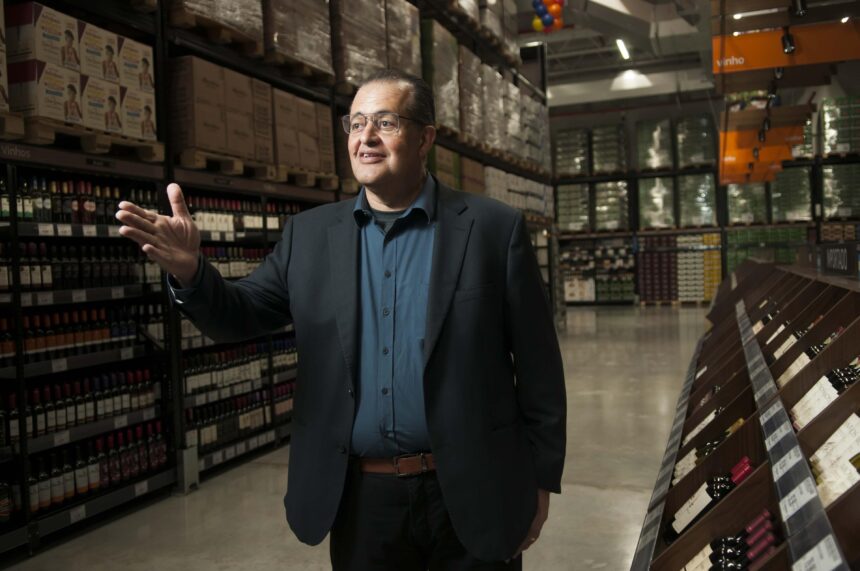
Belmiro Gomes, CEO of Assaí, emphasizes that while these injections do not constitute an immediate disruption, they signal a gradual transformation in lifestyle choices. He notes that this evolution transcends food consumption and extends into services, leisure, and overall lifestyle habits. However, he acknowledges that the impact of these changes may differ across income levels and regions.
In the realm of food retail, Gomes observes a noticeable shift in shopping behaviors, with carts becoming smaller and product selections changing. Items such as sweets, alcoholic beverages, and carbohydrates are experiencing decreased demand, while there’s a marked rise in the consumption of healthier alternatives, particularly protein-rich products. Reflecting this trend, Assaí has integrated in-store butcher counters and is working on establishing pharmacies within its shopping complexes.
Nestlé views the rise of weight-loss injections as a significant opportunity for its specialized nutrition division, Nestlé Health Science (NHS). This branch includes a diverse range of supplements, vitamins, fiber products, and protein beverages from brands like Nutren and Fiber Mais. Mariana Lemos, the division’s chief marketing officer, shared insights about the side effects often reported by patients using these injections, including reduced appetite and potential muscle loss. She believes that the trend of utilizing these medications is likely to persist, especially with approaching patent expirations, prompting Nestlé to invest further in research and product development tailored to this demographic.
Conversely, M. Dias Branco, a leading manufacturer of pasta and snacks, is approaching the trend with caution. The company has not yet observed any significant impacts—positive or negative—attributable to the weight-loss injections. Mateus Alencar, the commercial vice president of M. Dias Branco, insists on a balanced perspective, stating that the company is neither overvaluing nor undervaluing the current situation. Their strategy continues to focus on health-oriented and functional foods, as evidenced by their acquisitions and recent product introductions that prioritize higher protein, fiber, and reduced sugar and fat content.
According to Scanntech, a data analysis firm monitoring retail metrics, the overall effect of these weight-loss medications on food sales in Brazil remains limited and concentrated in specific categories. This contrasts with the more advanced penetration seen in markets such as the United States.
Itaú BBA forecasts that Brazil will see 5.5 million active users of GLP-1 medications by 2027, coinciding with the patent expiration of semaglutide, the key ingredient in popular weight-loss drugs like Wegovy and Ozempic. By 2030, projections suggest the number of users could rise to between 9 million and 21 million, which would represent 10% to 20% of the country’s obese population.
Priscila Ariani, CMO at Scanntech, notes that the surge in weight-loss medication usage reflects a larger behavioral shift towards health, well-being, and performance. Last year was marked by a decline in categories high in sugar and calories, while growth was seen in protein-related products and goods associated with physical performance. This evolving landscape underscores the importance of adapting to consumer preferences, as health and wellness increasingly dominate food and product choices.