The recent surge in Brent crude oil prices, which have now surpassed $100 a barrel, has ignited concerns about the stability of global supply chains. This rally has been largely attributed to disruptions in crucial shipping routes, leading to estimates that millions of barrels per day have been effectively removed from the market. Analysts warn that these developments may heighten fears of a prolonged energy shock, as both Brent and West Texas Intermediate (WTI) prices are closely tracking this upward trajectory.
For financial market traders, the implications of rising energy costs extend beyond mere gasoline prices. A significant increase in oil prices often leads to expectations of rising inflation, which could impact key sectors such as transportation, manufacturing, and agriculture.
This surge in oil prices has also influenced projections regarding the Federal Reserve’s monetary policy. Currently, the Fed’s benchmark interest rate is expected to remain stable between 3.50% and 3.75%. There is a growing sentiment that the likelihood of rate cuts in June and July is diminishing, with September now viewed as the most probable time for any reductions. Nonetheless, uncertainty prevails, particularly given the unpredictable nature of international conflicts and the restoration of shipping lanes in the Strait of Hormuz, which are critical for the flow of oil.
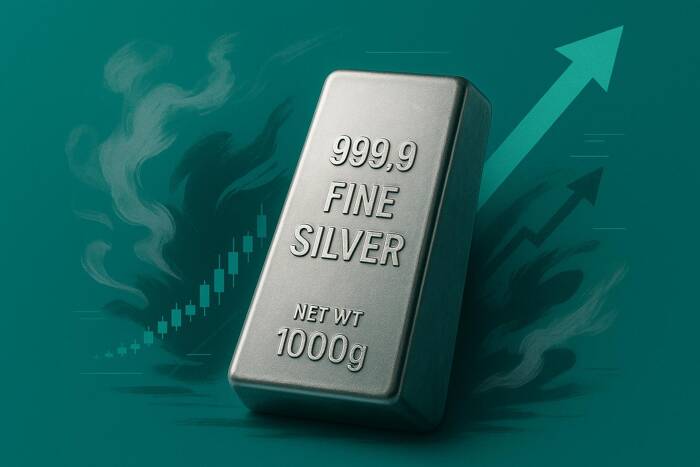
Amid this backdrop, silver traders are feeling the pressure as they anticipate lower interest rates to sustain a long-term rally. However, as uncertainty about rate cuts looms, many are left with little choice but to adjust their long positions, bracing for the possibility of extended higher rates.
The appeal of silver is further complicated by the strength of the dollar and increasing bond yields. Unlike stocks or other income-generating assets, silver does not yield dividends or interest, which can make it less attractive during periods of rising yields. As higher yields draw investment away from non-yielding assets like silver, traders are reassessing their strategies.
As the oil market remains in focus, the $100 mark is a critical threshold for both Brent and WTI crude. Investor sentiment is acutely attuned to this level, as it may serve as an indicator of whether inflation expectations will persist and potentially hinder the timing of a Federal Reserve rate cut. Should inflation remain elevated yet contained, the Fed might be able to prioritize boosting employment while keeping inflationary pressures in check. As the situation unfolds, all eyes are on the interplay between energy prices and broader economic indicators.