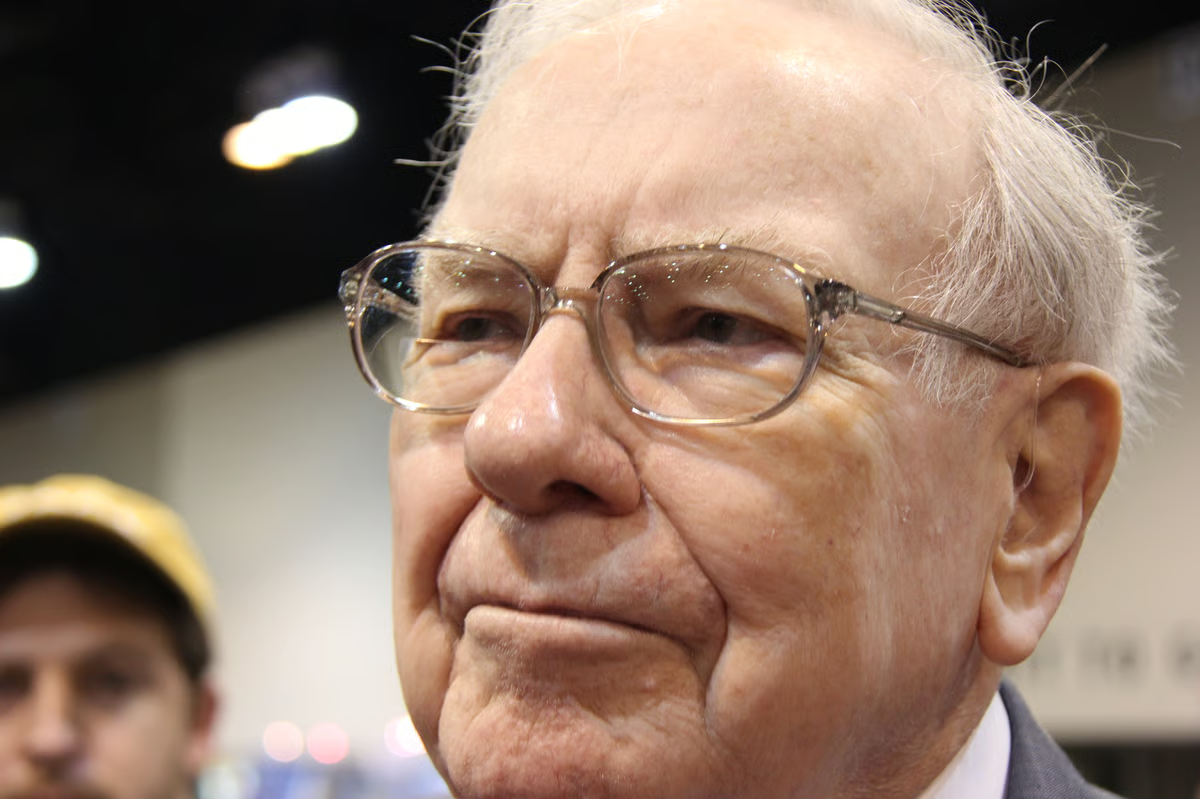
At the recent Berkshire Hathaway shareholder meeting, Warren Buffett made headlines by announcing his upcoming retirement as CEO at the end of the year, a move that has been anticipated for some time but leaves many questions regarding the future. As Greg Abel is set to take the reins in 2026, Buffett’s recent actions indicate he is carefully positioning the organization’s portfolio to ease the transition while imparting crucial insights for investors moving forward.
Buffett has meticulously cultivated a substantial portfolio—valued at approximately $315 billion—that has significantly influenced Berkshire Hathaway’s overall performance. However, his strategy has shifted in the past three years, during which he has executed nearly $184 billion in net stock sales. These decisions suggest a cautious approach to market valuations, which have surged to levels rarely seen, raising concerns over future performance.
Notably, Buffett has made substantial reductions in several key positions within the portfolio. His stake in Apple was slashed by 73%, alongside a 44% reduction in Bank of America holdings and a 26% cut in Chevron shares. In contrast, new investments have been relatively modest, with recent additions dominated by increases in existing positions rather than new major commitments. Most significant investments have included the likes of Chubb, Alphabet, and Sirius XM.
The rationale behind Buffett’s selling spree is clear: elevated market valuations. For instance, Apple is currently trading at 33 times its expected earnings, a stark contrast to the 10 times forward earnings at which Buffett initially bought in. Similarly, Bank of America is nearing a price-to-tangible book value ratio of 2, a level it has rarely approached. The S&P 500 index, too, is trading at around 22 times forward earnings, raising concerns that the market may be overheated.
Buffett’s actions serve as a clear warning for investors to remain vigilant regarding market conditions. Historical patterns indicate that overvaluation may lead to significant corrections, and Buffett’s transition strategy emphasizes the need for cautious investment planning as 2026 approaches.
To help investors navigate the market landscape, Buffett’s approach suggests several strategies that could promote long-term success:
-
Be Willing to Take Gains: While it’s important to let high-performing stocks enjoy the run, concentrating too much wealth in a single investment poses substantial risks, especially in an environment of elevated valuations. It’s prudent to realize profits and reinvest in diversified opportunities.
-
Keep Cash Reserve: In a soaring valuation landscape, increasing cash reserves provides protection against market downturns while positioning investors to capitalize on potential buying opportunities during corrections. Although Buffett’s cash position is notably high, such strategy can often pay off in the long term.
-
Maintain High-Conviction Holdings: The best investments are those that one believes strongly in for the long term. Buffett’s unwavering commitment to businesses like Coca-Cola and American Express, held for over three decades, underscores the importance of thoroughly understanding and trusting the businesses within the portfolio.
As Buffett gears up for retirement, he is not just passing down leadership to Abel but also providing vital lessons for investors to consider in a complicated market landscape. The emphasis on caution and strategic planning reflects a legacy that extends beyond mere investment returns, encouraging others to take thoughtful, disciplined approaches as they navigate an uncertain future.