









Nuclear energy is experiencing a renaissance, fueled by years of innovation and a renewed focus on carbon-free electricity generation. In the context of rapidly increasing energy demands—particularly from the burgeoning field of artificial intelligence (AI)—nuclear power presents a reliable alternative to more intermittent renewable sources such as solar and wind.
As energy needs surge, especially from data centers supporting AI technologies, several start-up companies in the nuclear sector have begun to attract investor interest. Notable names include NuScale Power, known for its small modular reactor designs, Oklo, and Nano Nuclear Energy, which is developing portable reactor technology. While these companies are pioneering exciting advancements, they are still in the early stages of development, with most yet to generate significant revenue.
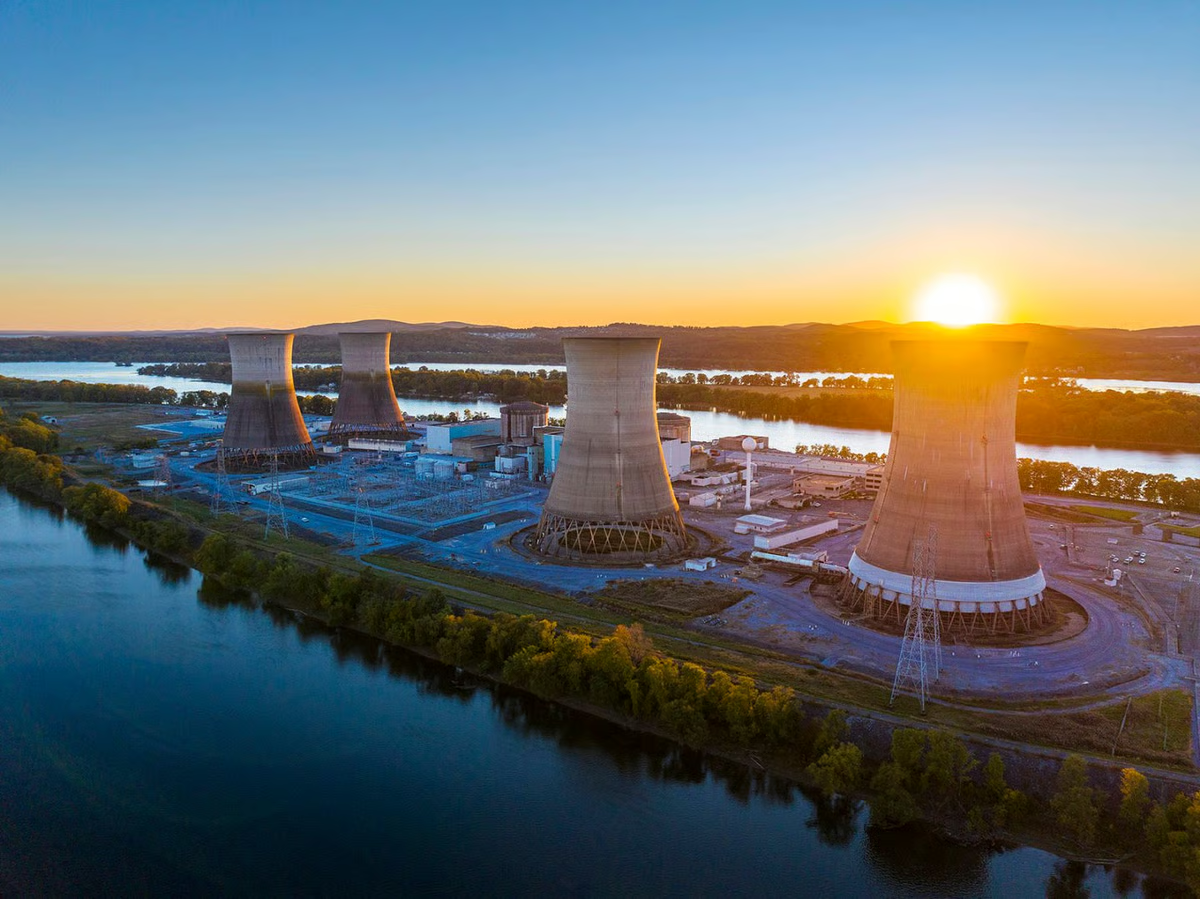
In contrast, Constellation Energy stands out as a well-established leader in the nuclear power industry. Operating the largest fleet of nuclear facilities in the U.S., Constellation not only enjoys a proven track record but also has secured substantial contracts with major tech firms. A recent 20-year agreement with Meta Platforms for the output of the Clinton nuclear plant exemplifies its strong market position, while collaboration with Microsoft to restore function at the historic Three Mile Island site further underscores its influence in the sector.
Financially, Constellation is thriving, showing robust earnings and benefiting from the current energy market’s dynamics. Its trailing twelve-month revenue reflects a company positioned well to capitalize on rising electricity demands, with expectations for future revenue growth remaining substantially ahead of those forecasted for its start-up competitors.
One of the major advantages of Constellation is its business model. Unlike traditional utilities, which often function as regulated monopolies, Constellation operates primarily as an unregulated power supplier. This position enables it to sell electricity at market rates, allowing for potentially higher profits during periods of strong energy prices. However, this structure also exposes the company to market volatility, with the potential for fluctuating power prices impacting profit margins.
Additionally, Constellation faces political challenges in its mid-Atlantic operating region, where there have been discussions among local governors and former President Trump about capping prices for existing power sources. If such measures come to fruition, they could limit Constellation’s profit potential in that area.
Despite trading at a premium—approximately 35 times trailing earnings and over 7.5 times book value—Constellation remains an attractive option for investors seeking nuclear energy exposure. While risks persist, particularly associated with market volatility and regulatory uncertainties, Constellation carries less execution risk than its emerging competitors.
For those looking for nuclear energy investments without the inherent volatility tied to individual stocks, a nuclear energy exchange-traded fund (ETF) might represent a more balanced approach, allowing investors to diversify their holdings in this growing sector while minimizing risk. As electricity demands continue to rise, especially driven by advancements in AI, Constellation’s capabilities position it for potential further growth in the evolving energy landscape.