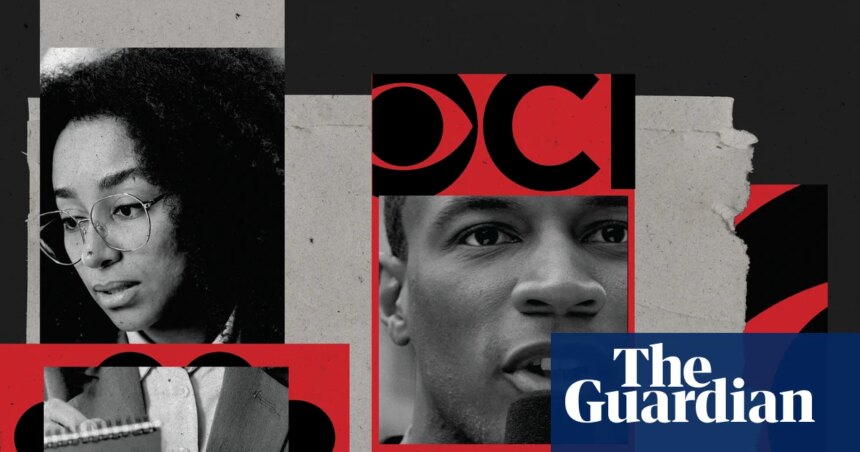
Trey Sherman was en route to work on the New York subway when he received a concerning email from CBS News executive David Reiter regarding an impending meeting scheduled for October 29. At the time, Sherman served as an associate producer for CBS Evening News Plus and harbored suspicions about the nature of the meeting, particularly given recent corporate developments. The parent company of CBS News, Paramount, had completed a merger with Hollywood studio Skydance and was expected to implement significant layoffs as part of a broader restructuring effort, which would eliminate over 2,000 jobs.
During their meeting, Sherman, who is Black, recounted a cordial conversation where Reiter informed him that his position was being eliminated due to the show’s cancellation. Despite the unpleasant nature of the news, Sherman accepted it gracefully. However, once he returned to the newsroom, he heard a different narrative from his colleagues. A white coworker expressed discontent over the fact that all four people of color on Sherman’s team had been laid off, while five of their white counterparts were reassigned to different roles.
Feeling compelled to share his experience, Sherman later documented the events in a TikTok video that quickly garnered attention. CBS News did not reply to inquiries from various media outlets regarding the situation.
Sherman’s experience is reflective of a troubling trend that appears to be affecting diversity within major news organizations. Layoffs across the media sector have disproportionately impacted employees of color, raising concerns about a growing erosion of diversity, equity, and inclusion (DEI) initiatives in the industry. Interviews with several recently laid-off journalists from CBS, NBC, and Teen Vogue revealed that individuals of color were often let go while their white colleagues retained their positions or were reassigned.
Data shows that newsrooms historically lack diversity compared to the broader U.S. population. A 2022 survey by the Pew Research Center indicated that 76% of journalists identified as white, while people of color constituted only a small fraction of the industry. The news media has been criticized for its slow progress in achieving representation, a challenge that has been exacerbated by recent layoffs.
Some industry insiders interpret these recent job cuts as a capitulation to a political climate increasingly hostile to DEI initiatives. Under the Trump administration, executive orders were issued, aiming to dismantle DEI programs, which many media organizations have since complied with. Sherman noted that he observed a trend of companies eliminating DEI initiatives following the new administration’s directives.
In particular, the Federal Communications Commission (FCC) under its new leadership has shifted its focus away from DEI efforts and initiated investigations into major networks concerning their diversity initiatives. As part of this agenda, several media outlets, including Disney and NBC, have made cuts to their DEI programs, further contributing to the narrative of declining diversity in the media landscape.
After the layoffs, Sherman confronted Reiter about the apparent discrepancies in the layoffs. Reiter reportedly stated that he opted to retain colleagues with whom he had previously established relationships, a rationale that Sherman found troubling.
Additionally, numerous journalists reported similar experiences within their respective organizations, painting a grim picture of systemic issues linked to racial disparity. Allegations of targeted layoffs along racial lines have emerged, with some former employees indicating interest in pursuing legal action due to perceived discrimination.
The layoffs have prompted dialogue within the journalism community about the necessity for platforms that center the voices of marginalized communities. Figures like Roland Martin have advocated for the establishment of new media outlets that prioritize representation, as the ongoing trend in larger companies could alienate consumers seeking authentic narratives from diverse perspectives.
Amidst these challenges, journalists of color are increasingly seeking empowerment through collective efforts. Groups such as the nascent Black Media Caucus have formed as a response to the layoffs, aiming to create new media ventures to ensure that diverse narratives are not lost in the shuffle.
The current landscape raises critical questions about the future of diversity in journalism. Many believe it is vital for the industry to rectify its course and uphold its commitment to representing the full spectrum of society, lest it risk alienating its audience by failing to provide a multitude of voices in its coverage.