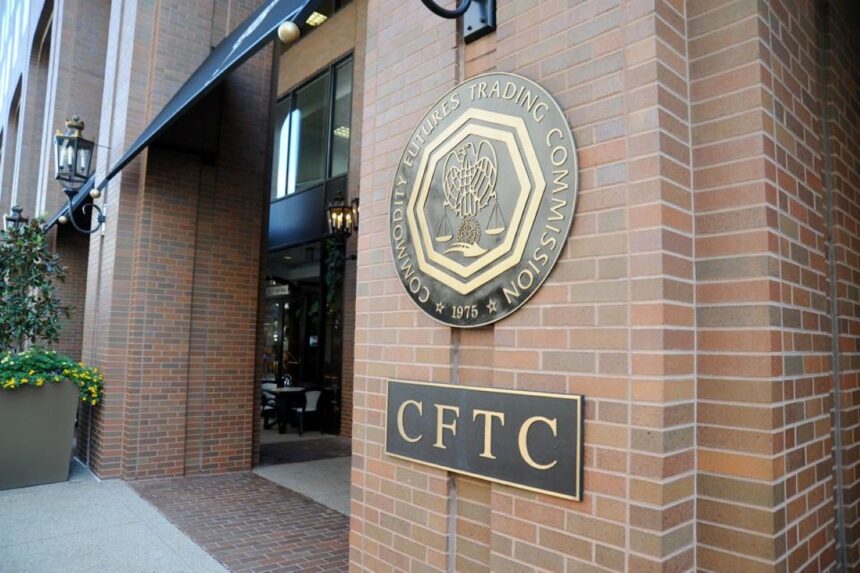
CFTC Chairman Michael Selig recently articulated a defense of prediction markets in a Wall Street Journal op-ed and revealed that the Commodity Futures Trading Commission (CFTC) would support Crypto.com in its ongoing litigation in Nevada. This marks a notable shift in Selig’s position, moving from an earlier cautious approach to a more assertive stance in support of these platforms.
In his op-ed and subsequent communication on social media, Selig highlighted the CFTC’s long history of regulating event contracts, dating back to 1992 when it first recognized them by approving Iowa Electronic Markets for trading contracts related to corporate earnings and presidential elections.
The crux of the current legal situation revolves around a conflict initiated by Nevada regulators in May 2025. The Nevada Gaming Control Board issued cease-and-desist letters to Crypto.com, asserting that the platform was engaging in unlicensed sports betting activities. In response, Crypto.com filed a lawsuit and sought a preliminary injunction to allow it to continue its operations in the state. However, U.S. District Judge Andrew Gordon denied this request in October, compelling Crypto.com to suspend its operations in Nevada as it appeals the ruling in the Ninth Circuit.
Selig’s announcement that the CFTC is filing a friend-of-the-court brief represents the agency’s first direct involvement in this legal battle. The brief aims to clarify the agency’s authority over prediction markets and to introduce its interpretation of the Commodity Exchange Act (CEA) into the appellate proceedings. This interpretation positions the dispute as a question of federal preemption, a vital legal consideration as courts often lean on agency interpretations in complex financial cases.
While it is unclear why the CFTC chose to intervene specifically in the Crypto.com case, other platforms such as Polymarket, Kalshi, Robinhood, and Coinbase are also facing scrutiny and legal challenges from state authorities.
In articulating the importance of event contracts, Selig emphasized their role in economic health, noting that they enable participants to manage risk, consolidate information, and test various hypotheses. He signaled a determination to resist attempts by states to overreach into areas traditionally governed by federal regulations, warning that the erosion of federal oversight could significantly impact market participants, especially those in industries like agriculture and energy.
Selig asserted that these contracts fall under the definition of “swaps” as outlined by the Commodity Exchange Act, emphasizing that Congress assigned the CFTC extensive authority over such contracts following the 2008 financial crisis. His comments have ignited discussions and skepticism, with critics questioning whether sports betting can indeed be classified as a commodity and whether the CFTC has overstepped its legislative mandate.
The CFTC’s enhanced visibility under Selig’s leadership comes after he assumed the chairman’s role in December. Since then, his rhetoric has become more assertive on the subject of prediction markets. Earlier statements indicated a commitment to modernization of the CFTC’s regulatory framework, positioning it as a necessity for innovation in American financial markets.
This renewed focus on prediction markets coincides with a broader industry push for legitimacy. The Coalition for Prediction Markets, comprising companies like Kalshi and Crypto.com, recently initiated a significant advocacy campaign to raise awareness and support for regulated platforms.
As the Ninth Circuit prepares to address the jurisdictional nuances of the dispute, all eyes are on the implications of the CFTC’s involvement and its potential influence on future regulatory approaches toward event contracts and prediction markets in the United States.