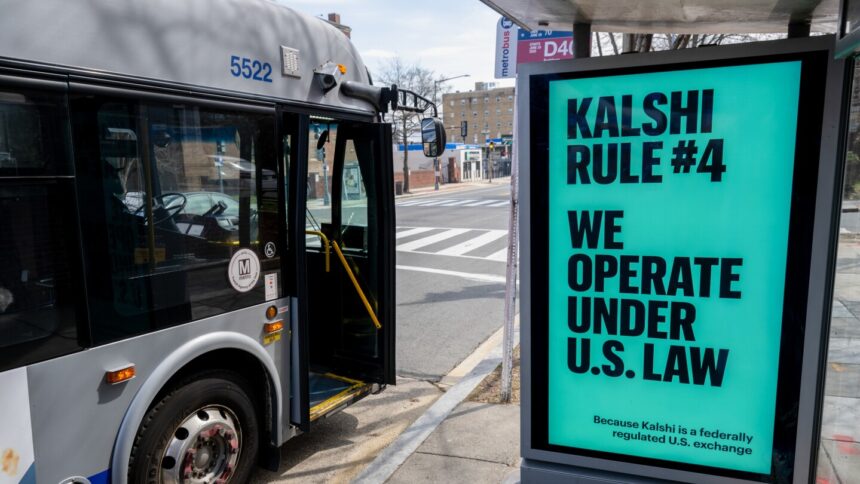
The sports betting landscape in the United States has entered a tumultuous phase as a result of ongoing legal disputes over prediction markets. Following a significant legal victory that allowed states to regulate sports betting, these same states are now clashing with the federal government over the burgeoning prediction markets industry, which can be likened to an intensified version of traditional sports betting.
The Commodity Futures Trading Commission (CFTC) has taken a bold step by suing the states of Arizona, Connecticut, and Illinois, asserting that the federal government holds exclusive jurisdiction over prediction markets. This legal action is grounded in the belief that state-level regulations could lead to inconsistencies and increased risks for consumers. CFTC Chairman Michael S. Selig highlighted concerns that fragmented state regulations could compromise consumer protection and elevate the risks of fraud and manipulation.
As the CFTC seeks to assert its authority, a faction within Congress is simultaneously exploring ways to curtail the activities associated with prediction markets. Proposed measures could ban betting on sensitive topics such as elections, warfare, and sports events, igniting further debate over the future direction of these markets.
Prediction markets have emerged as a unique venue for wagering, particularly in states that have not yet legalized traditional sports betting. This presents both opportunities and challenges as companies seek to expand their reach in a landscape that remains uncertain.
The ongoing conflict between federal and state regulations has drawn attention to companies like FanDuel, DraftKings, Kalshi, and Polymarket. As these businesses navigate the complexities of federal oversight and state regulations, the competitive environment continues to intensify. Each entity is looking to maximize its profits during this unpredictable period, all while the future of sports betting remains in flux.
As the industry grapples with its identity, stakeholders are keenly watching developments in the legal arena, which may ultimately shape the parameters of sports and prediction markets across the country. The outcome of these legal battles could redefine what is permissible in both traditional and emerging forms of betting, marking a pivotal moment in the evolution of the sports betting landscape.