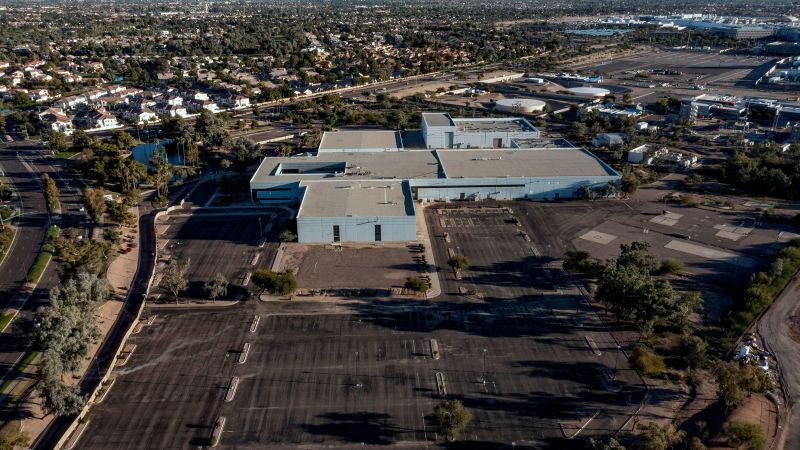
In Chandler, Arizona, a burgeoning debate has emerged surrounding the development of a large-scale data center, marking a significant turning point for the local community. Residents Andy and Carrie Hoefer first learned about the proposed facility when a notice reached them, only to discover that ten data centers already exist in their vicinity. With the prospect of an eleventh center looming, Andy questioned the necessity of yet another addition to the local skyline.
The city has been grappling with similar concerns for years, weighing the economic benefits against the environmental impact and quality of life issues linked to these massive data storage facilities. These structures, crucial for powering services from streaming platforms to online banking, have sparked a nationwide discussion about their growing presence and implications.
Chandler officials decided three years ago that the city had reached its limit on data centers, citing previous complaints about noise, water usage concerns, and increasing electricity costs. They became one of the first cities in the U.S. to implement regulations that would make it more difficult for new data centers to set up shop.
Now, a developer has proposed an ambitious $2.5 billion technology park anchored by a data center that promises unprecedented capabilities, stretching the length of a football field and towering at seven stories high. Advocates of the project argue that it could elevate Chandler’s status in the artificial intelligence sector, attracting new businesses and enhancing the community’s technological prestige. However, city staff have raised alarms about the limited job opportunities these centers typically generate and the complications they bring.
High-profile support has emerged for the proposed center, notably from former Arizona Senator Kyrsten Sinema, who has aligned with President Trump’s administration in promoting artificial intelligence initiatives. Sinema warned the City Council that blocking the project might result in federal intervention. As the council prepares to vote on the proposal, the response from residents has been overwhelmingly negative, with emails opposing the center outnumbering supporters by more than 20-to-1. Andy Hoefer has rallied the community, sending out over 2,000 postcards to neighbors and raising awareness.
The history of Chandler’s transformation into a hub for technology is notable. What was once home to farms has evolved dramatically since Intel’s establishment of a production facility in 1980. Rapid growth followed, leading to a saturated market for data centers, which began filling the vacuum left by failed developments in the post-Great Recession era. Yet, as data centers became a staple, the city faced increasing challenges, including noise pollution from backup generators and an ongoing battle over water resources in a desert state where such concerns are paramount.
Despite arguments from industry advocates about job creation associated with construction and auxiliary industries surrounding data centers, local sentiment remains deeply skeptical. Residents like Andy and Carrie Hoefer express concerns about their community’s future as a result of accommodating more data centers. Carrie stated she appreciates AI advancements but wants to avoid living too close to these resource-heavy facilities.
The technical narrative of a new data center is complicated by the utilities that serve the area. Arizona is grappling with rising electricity demands and costs fueled partly by the expansion of data centers. Utilities have begun requiring substantial upfront payments from developers to cover infrastructure enhancements necessary to support such projects. Furthermore, concerns persist that the electricity intensity of these data centers could further inflate energy costs for local residents.
As discussions heat up regarding the proposed new data center, the outcome remains uncertain, reflecting broader tensions in urban growth, technological advancement, and community welfare. The fate of this project—and potentially the future of Chandler—hangs in the balance as residents, developers, and city officials debate the next steps in this rapidly evolving landscape.