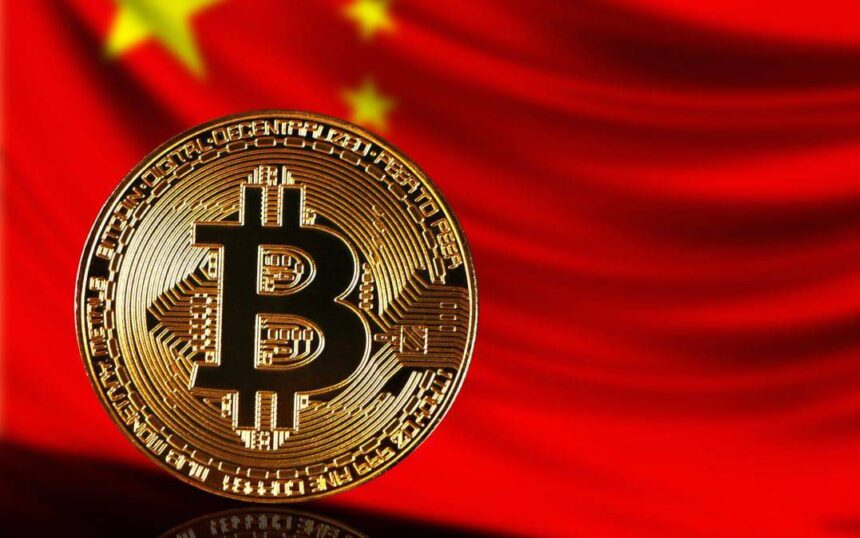
China has reportedly reduced its holdings of U.S. Treasury securities for the ninth consecutive month, bringing its exposure to the lowest level since 2008. This significant move aligns with a broader trend in which central banks appear to be gradually distancing themselves from the dollar. As this shift occurs, Bitcoin has maintained strong performance, hovering near recent highs, while gold has surged towards $4,200 per ounce, reflecting changing market sentiments regarding the reliability of U.S. debt.
For individual investors, this development is more than a mere geopolitical issue. When major nations divest from U.S. debt, it impacts the flow of capital across various asset classes, including stocks, bonds, gold, and cryptocurrencies. Such dynamics can affect investment portfolios more swiftly than anticipated, especially as trust in traditional financial instruments wavers.
Historically, U.S. Treasuries have been considered safe investments due to their liquidity and perceived stability. At one point, China held more than $1.3 trillion in these securities; however, their holdings have decreased steadily over the past 15 years. The recent nine-month selling spree places China’s Treasury exposure at its lowest since the global financial crisis, indicating a decline in confidence towards U.S. debt as a reliable safe asset. This scenario opens the door for alternative investments.
The implications are significant, as the U.S. dollar now comprises approximately 40% of global currency reserves, the lowest share in two decades and down 18 percentage points over the last 10 years. Concurrently, gold has seen an increase in its reserve percentage, now representing 28% of global reserves, the highest level in recent history. Central bank gold holdings have doubled since 2014, further heightening gold’s status as a financial safe haven. In this context, Bitcoin is emerging as a digital alternative to gold, appealing to investors seeking non-government-controlled assets as confidence in state-issued debt diminishes.
While Bitcoin may not replace the dollar immediately, it appears to benefit from the same underlying fears that drive gold prices up. As central banks diversify their holdings, gold has already responded favorably, rising to $4,200 per ounce in late 2025. Bitcoin’s trajectory typically lags behind that of gold, as retail investors digest similar narratives.
The U.S. now faces increased pressure to attract buyers to its debt. Japan has recently indicated that its substantial $1.1 trillion investment in U.S. Treasuries could become leverage in trade negotiations, showcasing the shifting dynamics in international finance.
For novice investors, understanding this environment is crucial. Bitcoin can often rise in value as traditional markets face uncertainty, driven primarily by trust rather than cash flow. However, caution is advised. Bitcoin is known for its price volatility; macroeconomic narratives may spark interest, but the asset is still susceptible to significant price fluctuations. Additionally, central banks remain focused on gold and local currency reserves rather than Bitcoin, meaning that attention towards the cryptocurrency primarily comes from individual investors rather than governmental actions.
Consequently, as the trend of de-dollarization progresses, Bitcoin is increasingly viewed as a hedge against traditional systems, particularly as shifts in gold prices and the demand for U.S. Treasuries unfold. Investors are encouraged to observe these trends, as Bitcoin historically reacts to changes in market sentiment.