China has announced a significant shift in its trade policy, deciding to suspend retaliatory tariffs on U.S. imports, including agricultural products, following a highly anticipated meeting between President Donald Trump and Chinese leader Xi Jinping. This development brings some relief to investors on both sides of the Pacific who have been concerned about the ongoing trade tensions.
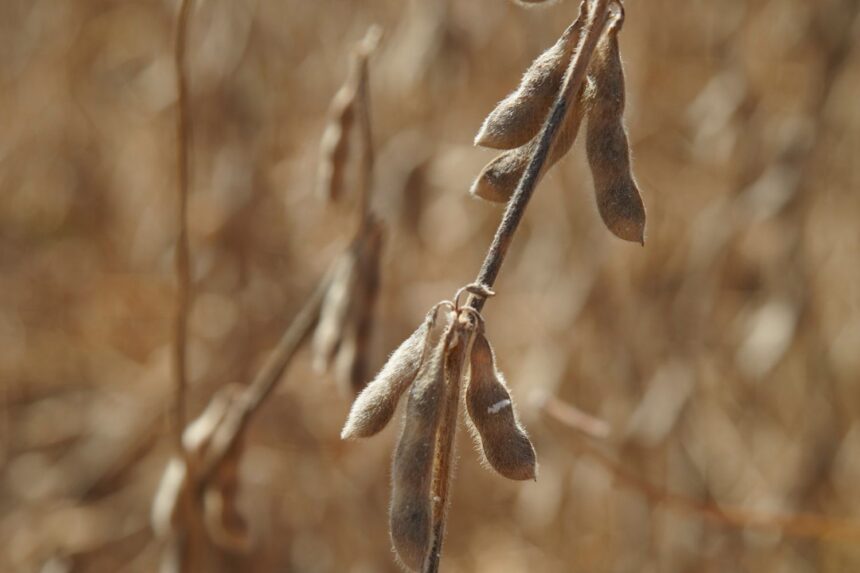
The State Council, China’s cabinet, confirmed that it will eliminate duties of up to 15% on specific U.S. agricultural goods effective November 10. However, a 13% tariff will still apply to U.S. soybeans, complicating the economic landscape for traders. The higher tariff on soybeans is perceived by traders as prohibitive, especially since Brazilian soybeans are currently offered at more competitive prices.
One trader from an international trading company expressed skepticism about renewed demand from Chinese buyers, citing the cost implications of the tariffs: “We don’t expect any demand from China to return to the U.S. market with this change. Brazil is cheaper than the United States, and even non-Chinese buyers are taking Brazilian cargoes.” This sentiment underscores the ongoing challenges U.S. soybean exporters face in regaining a foothold in the Chinese market.
In the wake of the leaders’ meeting, the White House announced that China is projected to purchase at least 12 million metric tons of U.S. soybeans by the end of 2025 and 25 million tons annually for the subsequent three years. However, these figures await confirmation from Beijing, and traders are closely monitoring for any signs of substantial purchases from China.
Meanwhile, Chinese soybean importers have ramped up their purchases of Brazilian soybeans, capitalizing on lowered prices as the market shifts in response to potential U.S.-China trade agreements. Reports indicate that buyers have secured ten cargoes of Brazilian soybeans for December shipments and another ten for the months of March through July, as Brazilian beans are now more competitively priced than their U.S. counterparts.
Traders have observed that Brazilian soybeans for December shipment are quoted at a premium of approximately $2.25 to $2.30 over the January Chicago contract, while U.S. soybeans from the Gulf Coast are being offered at $2.40 per bushel. This pricing dynamic reflects the changes in trading patterns triggered by the high tariffs imposed on U.S. soybeans.
Complicating the situation further, the ongoing U.S. government shutdown has made tracking China’s soybean purchases more challenging. Experts, such as Allen Featherstone from Kansas State University, have noted that the absence of USDA export reporting can create significant uncertainty in market assessments. Recent purchases, which reportedly include three vessels totaling around 180,000 metric tons, have drawn attention, but the lack of official data means analysts must rely on commercial shipping information, which can lead to inconsistent estimates.
As the trade relationship between the U.S. and China continues to evolve, the ramifications for soybean exports and global agricultural markets remain a focal point for traders and economists alike. The upcoming months will likely reveal more regarding China’s purchasing behavior and how it will adjust amidst the fluctuating tariffs and trade dynamics.