The landscape for Chinese automakers in the U.S. market is showing signs of change, as the long-standing freeze on their ability to sell vehicles appears to be easing. China has emerged as the largest auto market globally and is now its leading car exporter. However, high tariffs and ongoing geopolitical tensions have significantly limited Chinese automakers’ access to American consumers.
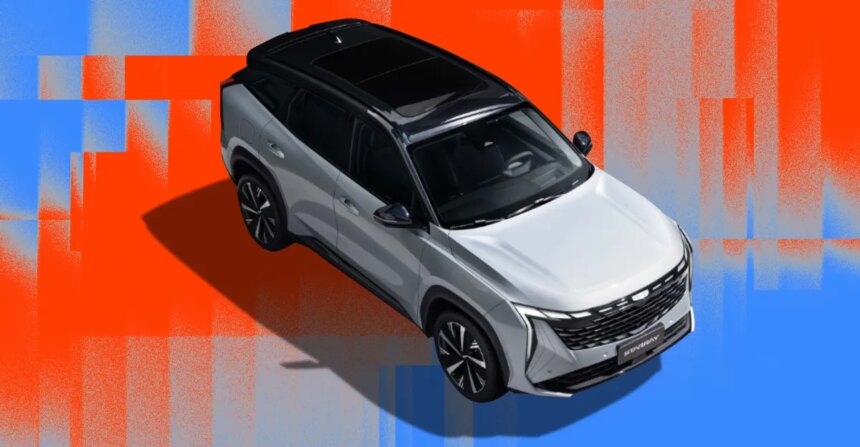
Among the companies looking to penetrate the U.S. market is Geely, which has made notable strides by leveraging its control of Volvo Cars. Geely’s Volvo division operates an assembly plant in South Carolina, currently manufacturing the Volvo EX90 electric SUV and the Polestar 3. This factory is also expected to add the popular Volvo XC60 to its production lineup later this year. Geely has owned Volvo for over 15 years, providing potential strategic benefits as it seeks to expand its offerings in the U.S.
A critical obstacle for Geely and other Chinese manufacturers is a Commerce Department regulation taking effect next month that requires companies to certify that any software for autonomous driving, as well as all hardware and software for vehicle connectivity, has not been developed or controlled by a “country of concern,” specifically China or Russia. This regulation was initiated during the Biden administration but was finalized under the Trump administration. It aims to safeguard against national security risks associated with advanced automotive technologies potentially falling into adversarial hands.
The rules encompass various concerns, including preventing authoritarian governments from gaining control over vehicles remotely, safeguarding sensitive data pertaining to individuals in the U.S., and curtailing any risks of espionage related to the collection of road data. While experts like Sam Abuelsamid of Telemetry argue that these concerns are overblown compared to more conventional methods of surveillance, the regulations are described by advocates such as Avery Ash of Securing America’s Future Energy (SAFE) as essential for national security rather than economic competitiveness.
The complexities surrounding the regulations become even more pronounced when considering Volvo’s status. Although the brand operates under a Swedish facade, Geely has held a controlling interest since 2010. Discussions in previous hearings suggested that Volvo could potentially navigate the Commerce Department’s concerns due to its established reputation in the U.S. market. Volvo representatives have publicly committed to complying with all regulations and maintaining an ongoing dialogue with the Commerce Department about future vehicle plans.
Despite these commitments, the path to compliance is intricate. Any modifications—or updates—to software that falls under the new regulations will need specific authorizations from the Commerce Department. This means that Geely could find itself at a crossroads: if its new models share architecture or systems with Volvo’s approved vehicles, they may argue for a streamlined approval process based on existing compliance.
Recent administrative changes have fueled speculation about the future of these strict regulations. The resignation of Elizabeth Cannon, a key figure behind these policies, has prompted discussions about potential shifts in approach, though current indications suggest no immediate changes are on the horizon.
Geely faces significant work ahead in demonstrating to the U.S. government that its software and technology meet necessary compliance standards. The broader implications of this regulatory environment could shape the future of the automotive industry, especially as companies like Waymo explore partnerships with Chinese brands for their autonomous vehicle fleets. While Geely aims for localized production in the U.S., it is also eyeing opportunities in Europe, potentially utilizing excess factory capacity from partnerships within that region.
As the situation unfolds, the automotive industry remains watchful, recognizing that regulatory and geopolitical dynamics will play a critical role in determining the landscape for Chinese automakers in the U.S.