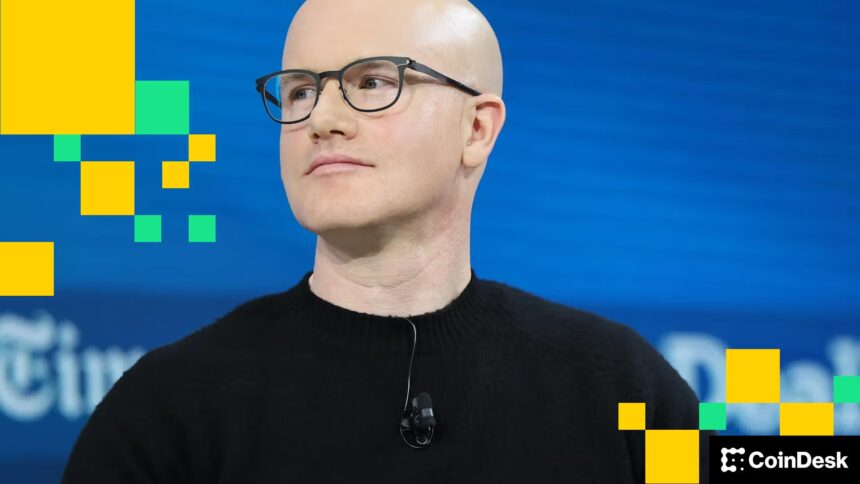
During recent discussions at the World Economic Forum in Davos, Coinbase CEO Brian Armstrong encountered a stark reception from several leaders of major American banks as he sought dialogue on a forthcoming crypto market structure bill. According to a report from the Wall Street Journal, Armstrong approached prominent figures, including JPMorgan Chase CEO Jamie Dimon, Bank of America’s Brian Moynihan, Wells Fargo’s Charlie Scharf, and Citigroup’s Jane Fraser, but the meetings highlighted a significant divide between traditional banking and the cryptocurrency sector.
In a particularly blunt exchange, Dimon reportedly told Armstrong, “You are full of s—.” Despite a longer 30-minute meeting with Moynihan, the Bank of America CEO dismissed Armstrong’s proposals, implying that Coinbase should consider operating more like a conventional bank if it desires to align with established financial practices. Scharf of Wells Fargo expressed a firm disinterest, stating there was “nothing for them to talk about,” while Fraser limited their conversation to less than a minute.
This frosty reception coincides with a notable shift in Armstrong’s stance towards the Senate’s crypto bill. Following a review of the bill’s draft, he declared on social media platform X that Coinbase “can’t support the bill as written.” He voiced concerns that traditional banks were employing lobbying tactics to safeguard their interests, particularly targeting stablecoin rewards—recurring payouts to users who hold tokens such as USDC. Armstrong pointed out that these rewards closely resemble interest-bearing accounts but tend to deliver higher yields of up to 3.5%. Banks, on their end, argue that this trend could threaten their deposit-based models, critical for funding loans and other essential banking services.
As the CLARITY Act progresses, its implications could fundamentally reshape the competitive landscape between banks and cryptocurrency platforms, determining who can offer certain financial products and under what regulations. Despite this apparent antagonism, the borders between the banking and crypto worlds are not as distinct as they may seem. For instance, Coinbase has maintained partnerships with major banks like JPMorgan and Citigroup, suggesting that the dispute is less about outright disruption and more about establishing the rules for the evolving landscape of digital finance.
As of now, inquiries made to Coinbase, JPMorgan, Bank of America, Wells Fargo, and Citigroup for comments on the ongoing situation have not yielded responses.