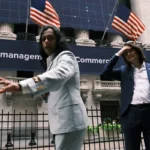




Coinbase Global Inc. is making headlines this week as the company’s top legal counsel has publicly criticized Delaware’s judicial system, prompting calls for the unsealing of court documents that may clarify the reasons behind its recent decision to relocate operations to Texas. This move places the cryptocurrency platform in a league with other prominent tech firms such as Dropbox, TripAdvisor, and the electric vehicle powerhouse Tesla, all of which have been “DExiting” from what many consider to be America’s historic corporate hub.
In an op-ed published on Wednesday, Coinbase’s general counsel Paul Grewal voiced concerns over the “unpredictable outcomes” faced by companies in Delaware’s Chancery Court. Notably, Coinbase’s leadership is currently embroiled in a significant case related to allegations of insider trading, which could result in a considerable financial penalty of $1 billion. This legal battle has added urgency to discussions surrounding the company’s strategic shift away from Delaware.
An investor has expressed that the comments made by Grewal provide a compelling rationale for the public to gain access to sealed court documents. These documents may shed light on the company’s motivations for moving to Texas, beyond the dissatisfaction highlighted by Grewal. This legal maneuvering underscores the growing trend of businesses reconsidering their operational bases, particularly in light of the complexities associated with Delaware’s legal landscape.
In the wake of Coinbase’s announcement, industry observers are keenly watching how this trend among tech companies may reshape the corporate environment in the United States. With multiple companies seeking a more favorable regulatory and legal atmosphere, the implications of this shift could be significant, impacting everything from corporate governance to investor trust.
As the situation develops, both the legal outcomes for Coinbase and the broader implications for business practices in the tech sector will remain critical areas of focus for investors, regulators, and the public alike.