In a notable shift, the commodities market is showing signs of resurgence beyond just gold and crude oil. Following a long downtrend that began after the 2008 global financial crisis, commodities are starting to demonstrate a potential breakout reminiscent of the early 2000s. During that period, commodities experienced a substantial rally, with gold leading the charge, followed by energy and an eventual rise in food prices, marking what was termed a commodities supercycle—an extended phase of soaring raw material prices driven by structural imbalances in supply and demand.
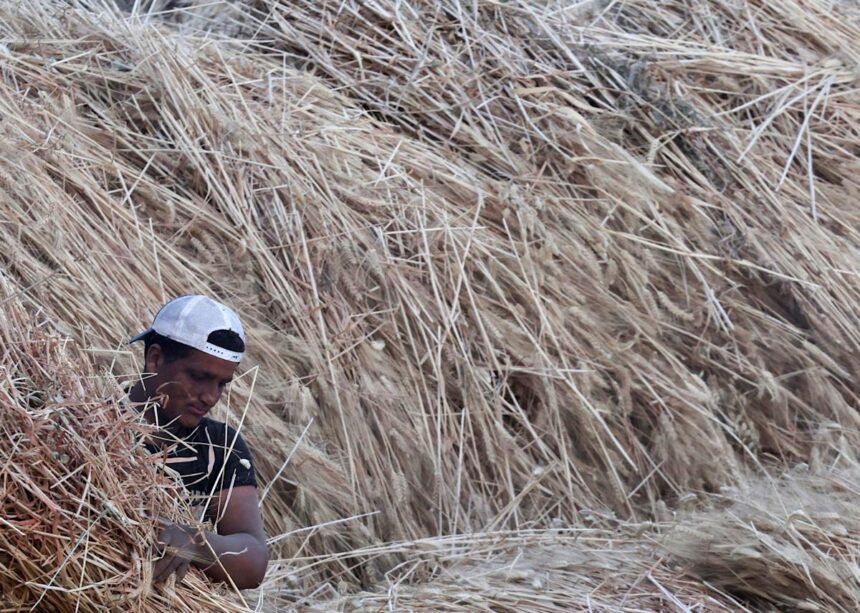
This year, metals have already reached record highs, indicating a renewed interest in commodities. Energy prices are now beginning to follow suit, suggesting a robust shift in market dynamics. Grain prices have also seen an uptick this year; however, the increases have not yet signaled pervasive food inflation. Market watchers are advised to keep a close eye on the grain sector, particularly in light of warnings from the UN Food and Agriculture Organization that disruptions in the Strait of Hormuz could significantly impact energy supplies, fertilizers, and the broader agricultural food system.
The prevailing sentiment is that if commodities can maintain momentum by surpassing previous highs, this would suggest a stronger breakout from the historical confines of the commodities versus stocks downtrend. If commodity prices, particularly grains, continue to rise, it could signal a major economic concern, as inflation would transition from being a mere market narrative to a pressing issue that governments may find increasingly difficult to overlook.
This evolving scenario invites both investors and analysts to closely monitor the trajectory of commodities, as signs of strength could reshape economic conversations and influence policy decisions moving forward.