Inflation in the United States has shown an uptick in recent months, as indicated by a report from the Labor Department that was delayed due to a government shutdown. The interruption has also postponed the release of crucial monthly job statistics, and the White House has announced there will likely be no inflation report next month. This situation has raised concerns about the reliability of government data, especially in light of previous events where political leaders have manipulated statistics for their gain.
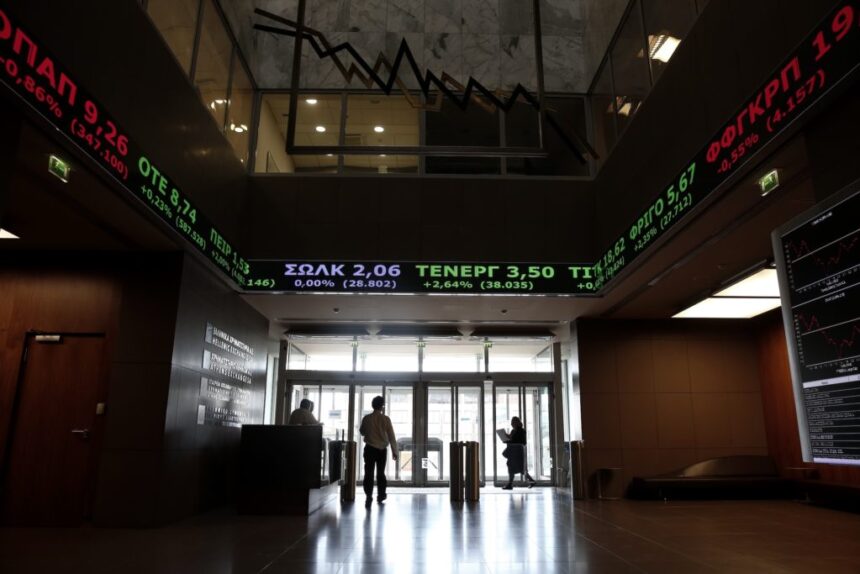
A historical perspective reveals alarming parallels. In October 2009, following a parliamentary election, Greece’s new finance minister, George Papaconstantinou, took office with the shock of discovering severe fiscal misrepresentations. Initially, the government’s budget deficit was projected at around 2 percent of GDP; however, it was revealed to be as high as 15 percent, drastically exceeding the limits set by the European Union. This shocking revelation necessitated stringent austerity measures, plunging the country into economic turmoil. Public outcry erupted, manifesting in widespread protests that turned violent and resulted in significant social and economic repercussions, including a collapse in GDP and soaring unemployment rates.
Papaconstantinou noted the consequential loss of trust in government figures, explaining how quickly data manipulation can tarnish a nation’s reputation and the challenges faced in restoring that trust over time.
Argentina serves as another cautionary tale, having faced its own crisis around 2006. High government spending led to rampant inflation, which public officials attempted to downplay by altering statistics from the national data agency. Alberto Cavallo, a business administration professor at Harvard, observed grave discrepancies between the official inflation figures and the actual prices he gathered from supermarkets. As more citizens began to recognize this manipulation, both public sentiment and international confidence in Argentina’s statistics plummeted.
Cavallo highlighted the parallel to recent U.S. events, citing the firing of the director of the Bureau of Labor Statistics by President Trump following dissatisfaction with employment reports. While Cavallo expressed optimism that similar data manipulation would be more challenging in the U.S. due to checks and balances, he emphasized vigilance. A significant warning sign would be the government ceasing to provide essential data sets.
Experts like Amy O’Hara, a former senior official at the U.S. Census Bureau, echoed concerns regarding the ongoing reliability of U.S. statistical agencies. O’Hara suggests an opportunity to enhance the accuracy and trustworthiness of government data, advocating for resources to improve measurement methods rather than scapegoating individuals.
In summary, as trust in governmental statistical agencies appears to wane, those monitoring the situation stress the importance of maintaining transparent and reliable data collection to avoid repeating the mistakes of Greece or Argentina. The current climate requires careful attention to ensure the integrity of economic indicators, which serve as vital signals for understanding the health of the economy.