The latest Consumer Price Index (CPI) report reveals a complex landscape of price changes affecting American consumers, highlighting notable increases and areas of relief in various sectors during September.
Grocery prices saw a marginal rise of 0.3% in September, a decrease compared to the more significant 0.6% hike in August, marking the highest grocery inflation in nearly three years. Despite this more contained monthly increase, annual grocery inflation remains below the overall rate, registering at 2.7%. Analysts point to a decline in egg prices, resolution of avian flu-related issues, and steady milk and butter production as contributing factors to the easing food-at-home inflation.
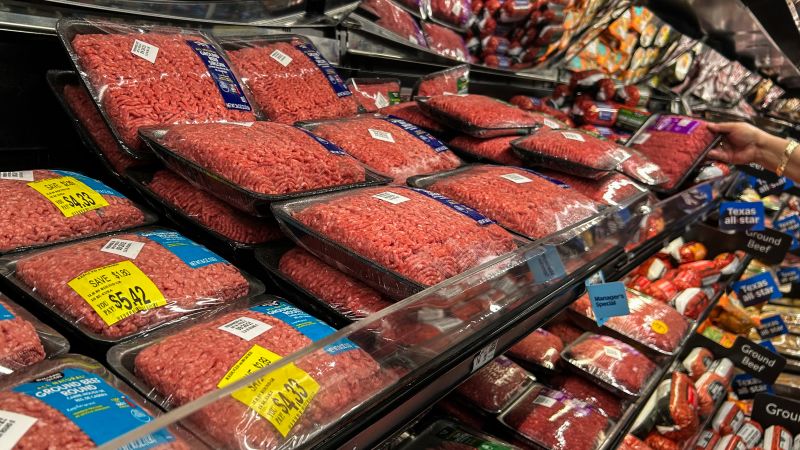
However, not every segment within the grocery aisle is experiencing relief. Prices for uncooked beef roasts surged by 4.8% in September, the steepest increase in four years. Overall, the beef and veal index rose 1.2%, with a staggering 14.7% increase observed year-over-year. This spike in beef prices is attributed to ongoing droughts, declining herds, and increased imports.
In a related trend, prices for lunchmeats rose 4.2%, the highest recorded for this category. Other baked goods like fresh sweetrolls and doughnuts also saw substantial increases, with a 5.7% rise being the highest monthly increase in over 26 years. Experts suggest that this inflation is linked to previous spikes in key ingredients and changing consumer behaviors post-pandemic.
Shifting from grocery items, the coffee sector experienced a slight dip of 0.1% in September following seven months of consecutive price increases. However, year-over-year coffee prices remain alarmingly high, with an 18.9% increase, and instant coffee has risen by 21.7%. Potential tariffs on Colombian coffee imports could further exacerbate these price hikes.
In the realm of domestic care services for the elderly and disabled, prices soared by 7%, marking the highest monthly increase since at least December 2005. Contributing factors to this surge include rising healthcare costs and workforce shortages due to funding challenges and immigration reductions.
The onset of the football season brought about a 3.7% increase in the cost of sporting event admissions, although ticket prices remain down 6.9% from the previous year. This reflects a “K-shaped economy” where consumers on higher income levels continue to spend significantly on discretionary purchases.
Airline fares also saw an uptick, rising by 2.7% on a monthly basis, pushing the annual rate to 3.2%. These pricing shifts are described as part of a broader inflationary trend influenced by widespread tariffs enacted during the Trump administration.
Additionally, significant tariffs have contributed to gradual price increases in non-grocery goods. Watch prices rose 3.2% in September, following a 1.9% increase in August, with tariffs on Swiss imports likely impacting these costs. Boys’ apparel prices increased 2.6% amid back-to-school shopping, while furniture and appliance prices also saw notable increases, with “other furniture” rising by 1.9%.
In summary, while some categories, particularly in grocery prices, are experiencing slower inflation rates, others continue to see significant price hikes due to various economic pressures, including tariffs and supply chain issues. Consumers are encouraged to monitor trends as fluctuations can be influenced by broader economic policies and changes in demand patterns.