



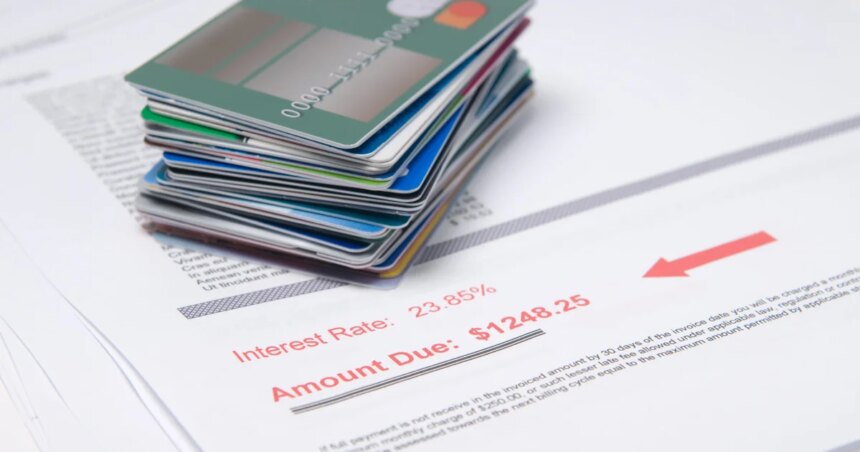
President Trump’s recent call for credit card companies to reduce interest rates to a maximum of 10% for a year has met with significant resistance from banks and card issuers. The January 20 deadline, set just 11 days after Trump made the announcement, has arrived without most financial institutions making the requested changes. Instead, many banks have voiced their concerns about the lack of specific policy details necessary for compliance with the proposed rate cap.
In a Truth Social post dated January 9, Trump emphasized his desire to protect Americans from excessive interest rates, which he attributed to the previous administration’s inaction. He stated that credit card companies often charge rates between 20% to 30% or higher, calling the situation unacceptable. The proposed cap has garnered some bipartisan support from lawmakers, including Democratic Senator Elizabeth Warren and Republican Senator Josh Hawley, with potential annual savings for consumers estimated at $100 billion in reduced interest payments. However, the banking sector warns that such a measure might backfire, restricting credit access for millions of consumers.
The banking industry has sought clarification on how the cap would be legislated and enforced, as Trump has not provided additional details. Currently, there are no federal laws or executive orders mandating such a limit on credit card interest rates. According to the Consumer Financial Protection Bureau, no general federal statute exists to restrict interest rates. Experts suggest that implementing a rate cap would likely require Congressional approval, and Trump could potentially rally support around a bipartisan bill like one proposed by Senator Bernie Sanders.
Concerns about the implications of the rate cap include potential negative effects on bank profits and a reduction in credit availability, especially for vulnerable borrowers. An analysis from America’s Credit Unions indicated that two-thirds of credit card users carrying a balance could see their credit lines reduced or canceled, with nearly all 47 million Americans holding subprime credit scores losing access to credit entirely.
JPMorgan Chase CFO Jeremy Barnum highlighted the potential adverse effects on consumers and the economy during a recent investor call. He underscored that the proposed cap could inadvertently harm those who need access to credit the most. Additionally, he pointed out that many financial institutions already provide products with low introductory rates, often as low as 0% for a limited time.
Despite the challenges posed by Trump’s proposal, fintech company Bilt has announced plans to introduce new credit cards that will adhere to the 10% interest rate cap for the forthcoming year, aiming to provide consumers with credit options in line with the president’s demand.
As the deadline has passed without substantial compliance from most banks, the future of Trump’s interest rate cap remains uncertain, with stakeholders from various sectors continuing to assess the potential economic impacts.