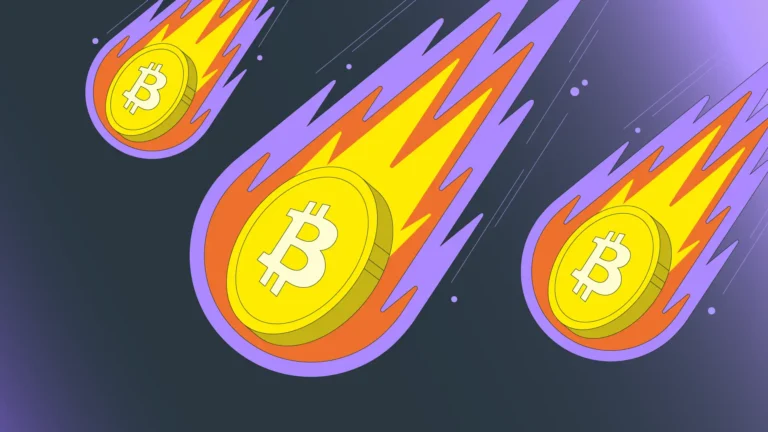
The recent downturn in Bitcoin’s value has reignited discussions around the controversial notion that the cryptocurrency could plummet to zero. As Bitcoin’s price has tumbled by over 20% in just a week, public figures, traders, and analysts are increasingly vocalizing skepticism about the digital asset’s long-term viability.
Buck Sexton, a prominent American talk show host, encapsulated this sentiment in a widely circulated post, asserting that every attempt to understand Bitcoin’s long-term value leaves him more convinced of its potential to reach a floor price of zero. Sexton’s comments resonate within a broader narrative that has gained traction as market sentiment turns decidedly bearish.
### The Zero Dollar Theory Explained
Critics of Bitcoin often point to the idea that its value is predominantly reliant on buyers willing to pay higher prices—an argument foundational to the so-called “zero-dollar thesis.” This belief has evolved recently, gaining traction among not just die-hard gold advocates but also media figures and market analysts during this period of heightened fear in the crypto markets.
Richard Farr, chief market strategist at Pivotus Partners, recently claimed his firm holds a Bitcoin price target of “zero.” He criticized Bitcoin for failing as a hedge against inflation, remaining closely correlated to stock indices like the Nasdaq, and lacking functionality as a medium of exchange. He underscored concerns regarding mining economics and energy consumption as factors that contribute to his negative outlook.
Peter Schiff, a long-time Bitcoin skeptic, reiterated that Bitcoin’s value is based purely on belief and lacks any intrinsic utility beyond mere transactions. This emphasis on belief over tangible value has led to mounting skepticism from both traditional investors and those outside the cryptocurrency space altogether.
### Impacts of Market Sentiment
The current wave of negativity surrounding Bitcoin has been amplified by social media discourse, with analytics firm Santiment reporting a drastic shift in sentiment toward Bitcoin and Ethereum, which are experiencing extreme fear following recent price drops. The Crypto Fear & Greed Index has also reflected this shift, plummeting to a reading of 14—its lowest in approximately six weeks.
As bearish sentiment rises, the credibility of Bitcoin’s bullish forecasts has also come under scrutiny. Agendas from influential figures like Tom Lee and Michael Saylor, who have made bold predictions that predate the downturn, have sparked increased skepticism among traders. Notably, a social media personality known as the “world’s smartest man” declared an impending Bitcoin surge just before a significant drop, leading to considerable liquidation in leveraged positions.
### The Reactions of Supporters and Bears Alike
In the face of such skepticism, Bitcoin advocates are pushed into defensive positions. Many argue that the reality of Bitcoin’s investor base is more diverse than merely a group of patient “true believers.” Institutional investors, heavily involved through ETFs and long positions, often react to steep declines with anxiety rather than opportunism, contributing to the cyclical nature of price drops.
Despite the prevailing pessimism, some investors maintain that the broader thesis for Bitcoin remains intact. Notably, ARK Invest’s recent report anticipates significant growth for the global cryptocurrency market, projecting that Bitcoin could constitute about 70% of this market by 2030, with potential price estimates reaching nearly $1 million.
### Future Considerations
Although the idea of Bitcoin collapsing to zero has gained traction, many market participants contend that such a scenario remains unlikely. Institutional investors and custodians are now more entrenched in Bitcoin than in previous cycles, and the collapse of Bitcoin’s value would necessitate not just a protracted bear market but also a severe breakdown in custody, legality, and overall belief in the asset.
As the cryptocurrency landscape evolves, Bitcoin finds itself at a critical juncture, where both critique and optimism coexist amid fluctuating market dynamics.