Crypto mining companies are deepening their engagements with Brazilian electricity providers, exploring contracts that leverage the country’s renewable energy surplus while minimizing strain on the grid during peak electricity demand. Recent moves in the crypto sector, highlighted by Tether’s substantial investment in Brazil, indicate a burgeoning interest in capitalizing on Brazil’s untapped potential in the renewable energy landscape.
As of now, at least six small and medium-sized enterprises, alongside a significant deal for up to 400 megawatts (MW), are in negotiation stages. These developments come as Brazil faces a pronounced clean electricity oversupply, which has resulted in nearly $1 billion in losses for energy companies over the past two years, as reported by wind and solar industry representatives ABEEolica and Absolar.
Tether, recognized as the world’s leading digital asset company, is leveraging its recent acquisition of Adecoagro to harness renewable energy derived from sugarcane mills for its bitcoin mining operations in Brazil. Meanwhile, renewable energy provider Renova Energia is set to embark on a $200 million mining project in the northeastern state of Bahia, which will harness wind energy to support six data centers. Renova’s CEO, Sergio Brasil, emphasized the company’s ambition to exceed its competitors by providing essential infrastructure for crypto mining.
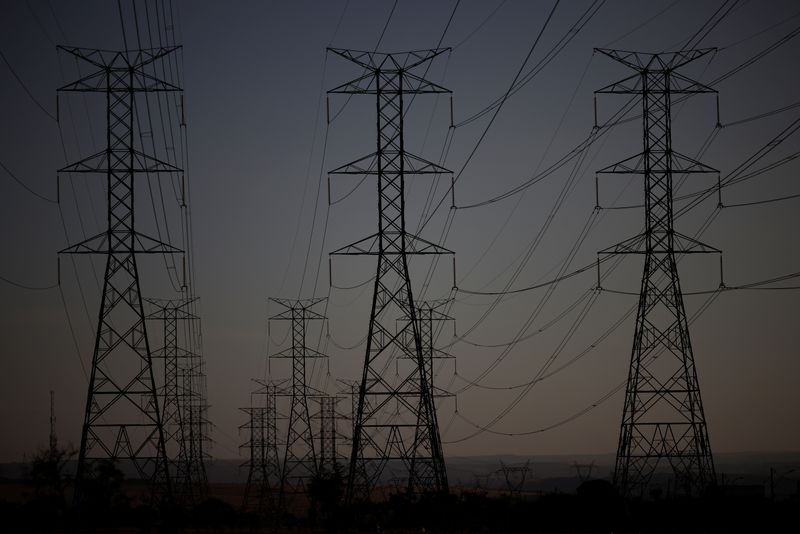
The appeal of crypto mining in Brazil lies in its adaptability. Crypto miners can adjust their operations quickly based on energy availability, providing a flexible energy usage model without exacerbating grid pressures during high-demand periods. This situation arises amid Brazil’s surplus stemming from government incentives that have fueled a rise in wind and solar investments, which unfortunately have outpaced the development of necessary transmission infrastructure. This imbalance has led to a staggering 70% wastage of generated power in some areas.
John Blount, a co-founder of Enegix, a crypto mining firm based in Kazakhstan, shared insights about exploring mobile data centers that could be directly integrated into local power plants, particularly in Brazil’s northeastern region, which is currently facing the most significant energy surplus.
Other companies are also joining the fray. Penguin, a firm based in Paraguay—one of the world’s prominent crypto hubs—is in negotiations for projects but has chosen to keep details confidential. Additionally, Bitmain, a leading mining equipment manufacturer from China, is investigating potential opportunities in the Brazilian market.
Energy providers are keenly eyeing these crypto initiatives as potential goldmines. Casa dos Ventos, collaborating with France’s TotalEnergies on wind energy, and Atlas Renewable Energy—backed by the U.S. investment firm Global Infrastructure Partners—are among those confirming their interest in renewable energy projects tied to cryptocurrency. Other energy entities are contemplating various business models, including the acquisition of mining equipment to operate mining facilities.
Eletrobras, Brazil’s largest electricity company, is also innovating by installing ASIC mining machines within a pilot project that integrates a microgrid supported by wind turbines, solar panels, and batteries. Juliano Dantas, Eletrobras’ vice president for innovation, articulated the company’s goal of better understanding the crypto mining landscape, which could pave the way for broader participation in the flourishing data center sector that the Brazilian government aims to nurture as part of its clean energy economy.
Challenges remain, including concerns surrounding the water use implications of mining in drought-prone regions and the country’s infrastructural hurdles, along with a lack of comprehensive regulations for the cryptocurrency sector. Observing these dynamics, Bruno Vaccotti from Penguin described their journey to secure 400 MW as arduous and indicative of the complexities inherent in diving into Brazil’s crypto landscape.