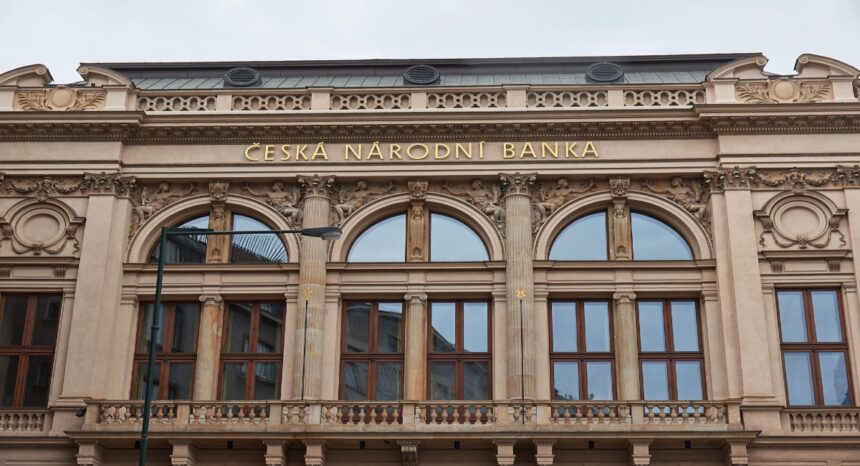
On November 13, the Czech National Bank (CNB) made a notable shift in its investment strategy by announcing the purchase of $1 million in digital assets, including Bitcoin, a USD stablecoin, and a tokenized deposit. This step is aimed at gaining hands-on experience with blockchain-based assets amid growing concerns regarding the stability of traditional reserves, particularly the US dollar. With many central banks worldwide expressing skepticism about traditional reserves due to increased levels of US public debt and geopolitical instability, there is a burgeoning demand for safe-haven assets, such as gold and potentially Bitcoin.
Central banks have significantly impacted the precious metals market, contributing to record highs in gold, silver, and platinum prices, driven by safe-haven buying. Recent studies, like one from Invesco, highlighted that 64% of central banks are looking to increase their reserve levels, with 53% aiming to diversify their holdings. A growing 72% of central banks now believe that ongoing fiscal challenges in the U.S. negatively affect the dollar’s long-term outlook, indicating a shift in sentiment about the safety and reliability of the USD.
In this context, the CNB’s proactive approach could suggest a trend among central banks to explore digital assets as part of their diversified strategies. Governor Aleš Michl previously advocated for Bitcoin to play a role in diversifying the bank’s foreign-exchange reserves, emphasizing its potential as an alternative investment. The CNB’s initial aim is not to actively increase Bitcoin holdings but to experiment with the processes involved in purchasing, maintaining, and managing digital assets.
The bank has outlined a detailed framework to assess various aspects of digital asset management, from administrative procedures to compliance with anti-money laundering regulations. Governor Michl has also expressed a desire to stay at the forefront of technological changes in investment methods, potentially allowing for seamless purchasing of Czech government bonds and other assets through digital means in the future.
Industry experts, including analysts from Deutsche Bank, predict that more central banks may follow the CNB’s example, considering Bitcoin alongside gold by the end of the decade. Their analysis suggests that Bitcoin could serve as a modern financial security alternative, sharing several characteristics with gold, such as liquidity and limited supply. These similarities may position Bitcoin as a valuable addition to central bank portfolios, especially as regulatory frameworks mature and enhance market stability.
Despite these optimistic projections, risks associated with Bitcoin could hinder its immediate acceptance as a reserve asset. Bitcoin’s notorious volatility could impede its long-term value stability, as evidenced by historical price fluctuations and significant market corrections. Furthermore, the adoption of Bitcoin for transactions remains limited, with studies indicating that a substantial percentage of the public views cryptocurrency as overly risky.
Major financial institutions, including the European Central Bank (ECB) and the Federal Reserve, maintain a cautious stance on Bitcoin. ECB officials have previously stated that Bitcoin does not fulfill the criteria for a reserve asset or a secure means of payment due to its volatility and risks associated with illicit activities. Similarly, the Federal Reserve has indicated that it has no intentions of holding Bitcoin, leaving the question of its role in mainstream finance open for future debate.
As the world observes these developments, the potential for Bitcoin and other digital assets to become integrated into central banking practices remains a compelling narrative, reflecting broader trends in financial innovation and asset diversification.