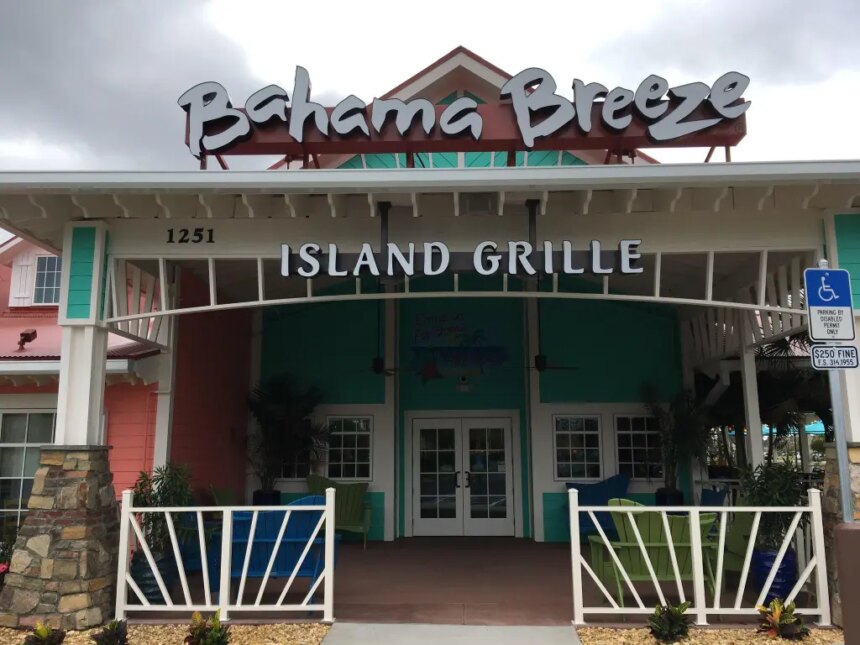
Darden Restaurants, headquartered in Orlando, has announced the closure of all remaining Bahama Breeze locations across the nation, marking the end of the brand after a notable three-decade run. The decision will see half of the 28 Bahama Breeze outlets converted into other Darden restaurant brands over the next 12 to 18 months. While these locations will remain open until necessary conversions, the remaining 14 establishments are set to close permanently on April 5.
In a statement, Darden reassured stakeholders that it does not anticipate any substantial impact on its financial results from these closures. The company emphasized that the chosen conversion sites hold significant potential, which would enhance the performance of its various brands. Moreover, Darden plans to prioritize the welfare of its team members by aiming to place as many employees as possible in new roles within its existing portfolio.
Bahama Breeze made its debut with the opening of its first location on International Drive in 1996, quickly becoming a popular choice among diners. Acknowledging this initial success, the Orlando Sentinel’s food critic, Scott Joseph, remarked on the brand’s ability to deliver quality Caribbean cuisine despite its corporate ownership. By 1998, industry analysts noted that Bahama Breeze’s Florida establishments averaged sales of at least $6 million annually, significantly surpassing the revenues of Darden’s more established chains like Red Lobster and Olive Garden.
However, recent years have presented challenges for the brand. Darden made the strategic decision to close 15 Bahama Breeze locations in May, believing this would allow the company to focus on the more successful restaurants within the brand and bolster overall performance. Despite this shift, the nine locations in the Orlando metropolitan area had previously been spared from closures.
Industry analyst John Gordon highlighted that Bahama Breeze’s decline can be attributed partly to the relatively low popularity of Caribbean cuisine in the U.S. The balancing act between real estate expenses and profitability has also posed a significant challenge for Darden, given Bahama Breeze’s relatively large footprint compared to other brands in their portfolio.
Furthermore, broader economic factors have influenced consumer spending patterns, particularly among those earning under $50,000 annually, who are cutting back on discretionary spending due to inflation. Additionally, young consumers in their mid-to-late twenties are struggling to establish their financial foothold compared to earlier generations, which has further impacted the restaurant industry’s sales.
Gordon emphasized that Darden’s current focus is on sustaining its existing brand portfolio while exploring new, promising concepts to incorporate. He noted the demographic challenges facing Olive Garden, indicating a need for the company to invest in emerging concepts to attract a newer, younger customer base. This strategic pivot appears essential as Darden aims to adapt to changing consumer behaviors in a fluctuating economy.