David Rye, the outdoor center director at the von Trapp Family Lodge and Resort in Stowe, Vermont, has observed a notable decline in Canadian visitors this summer. Traditionally, the beautiful landscapes of Vermont attract many Canadians, especially from Quebec, due to the region’s proximity to the Canadian border. However, this year, Rye has remarked that the familiar Quebec license plates that usually dot the state’s popular tourist destinations are becoming rarer. When he does encounter them, he makes a point of expressing gratitude for their presence.
In Burlington, Trader Joe’s worker Nicolo Mendolia has also felt the impacts of this decline, noting that the once-busy stores now appear emptier during peak hours, attributing a significant portion of this change to the reduction of Quebec visitors.
Recent data reveals the stark reality of this trend: Vermont’s border crossings from Canada fell nearly 39% in July compared to the previous year. Statistics Canada reported that Canadian spending in the United States decreased by 7.9% in the first quarter of 2025 relative to the same period in the previous year. Ironically, Americans took more trips to Canada during this time, with spending increasing by 27.3%.
Many locals have noticed a palpable difference in the atmosphere. A recent visit to Vermont during Labor Day revealed an unusually quiet scene, with immediate seating at restaurants that typically require long waits. Conversations predominantly featured New England and New York accents, with minimal presence from Quebecois.
This change comes amidst tense political relations between the US and Canada, particularly during the Trump administration, which has seen the onset of a trade war and controversial comments regarding Canada. While no outright animosity is reported, some travelers perceive a shift reminiscent of strained neighborly relations. Don Dompe, an electrician from Edmonton, likens these tensions to a neighborly fallout, indicating that Canadians are now less inclined to visit the United States.
Local officials in Vermont have expressed concerns that prolonged reductions in Canadian tourism could have lasting economic impacts. Becca Brown McKnight, a Burlington city councilor, emphasized that the local economy relies heavily on a plethora of small businesses that thrive on tourism. The potential loss of these enterprises poses threats to livelihoods in the region.
In response to declining numbers, some US border towns are taking proactive measures to rekindle connections with Canadians. Rochester, New York, has initiated a heartfelt campaign titled “Dear Canada,” expressing a desire to reconnect with Canadian visitors and highlighting the shared joy in past experiences.
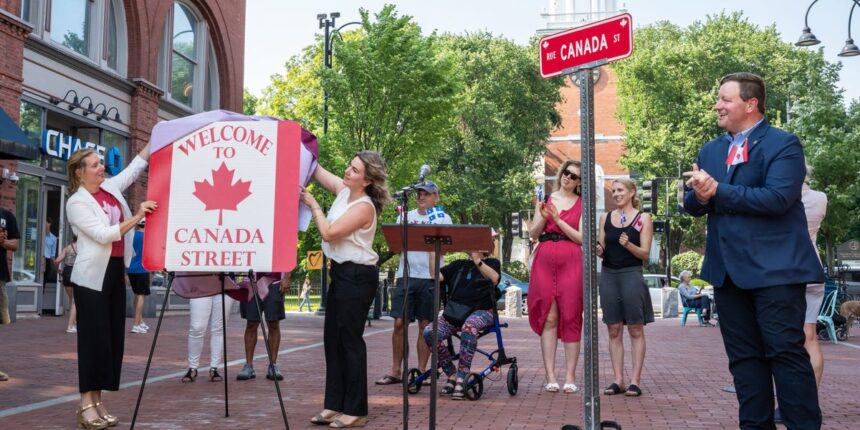
Creative gestures have also surfaced, such as McKnight’s proposal to temporarily rename Burlington’s main street to “Rue Canada,” a symbolic step to reinforce amicable relations. This move has garnered positive feedback from both locals and Canadians, with many sharing their fond memories of visiting Vermont.
Despite the longing for resumed normalcy in cross-border relations, many Canadians and Americans find themselves navigating a changed social landscape. Personal connections across the border are still cherished, but the political climate has introduced a level of caution among travelers. For some, visiting the US has become a complicated decision laden with uncertainty and trepidation regarding the evolving climate of cross-border relations.
As the summer wraps up, both Canadians and Americans express hope that the bonds built over years of friendly exchanges can be restored. The warmth and community spirit that once characterized cross-border visits remain alive in memory, as residents reflect on the loss of shared experiences during this period of uncertainty.