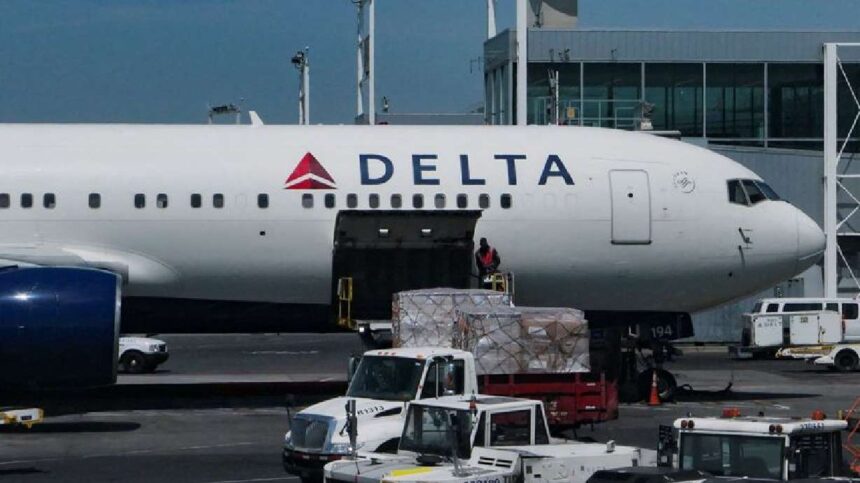
Atlanta-based Delta Air Lines announced on Tuesday that it will implement an increase in fees for checked baggage on domestic flights and select short-haul international routes. The decision comes as airlines grapple with sharply rising jet fuel costs, a situation exacerbated by escalating tensions in the Middle East.
This increase represents Delta’s first adjustment to its domestic baggage fees in two years and follows similar moves by other major airlines, including United Airlines and JetBlue Airways. Recent disruptions in the Strait of Hormuz, a crucial oil shipping corridor, have led to significant fluctuations in fuel prices. According to the International Air Transport Association, the price of jet fuel has soared from an average of $85 to $90 per barrel prior to the U.S. and Israeli strikes on Iran in February, to approximately $209 per barrel globally.
Effective for bookings made on or after Wednesday, Delta will raise the fees for first and second checked bags by $10 each. Consequently, the fee for the first checked bag will rise to $45, the second to $55, and the cost for a third checked bag will increase by $50, bringing it to $200.
While Delta does have a unique advantage with its subsidiary refinery in Pennsylvania, which has a capacity of about 190,000 barrels per day and supplies nearly three-quarters of its fuel needs, it still remains vulnerable to fluctuations in crude oil prices.
Importantly, Delta stated that there will be no changes to checked baggage benefits associated with its frequent-flyer programs, premium fares, and co-branded credit card offerings. Additionally, the airline confirmed that baggage fees for long-haul international routes will remain the same. As the aviation industry continues to navigate the impacts of increased fuel costs, such adjustments in service charges seem to be an ongoing trend among major carriers.