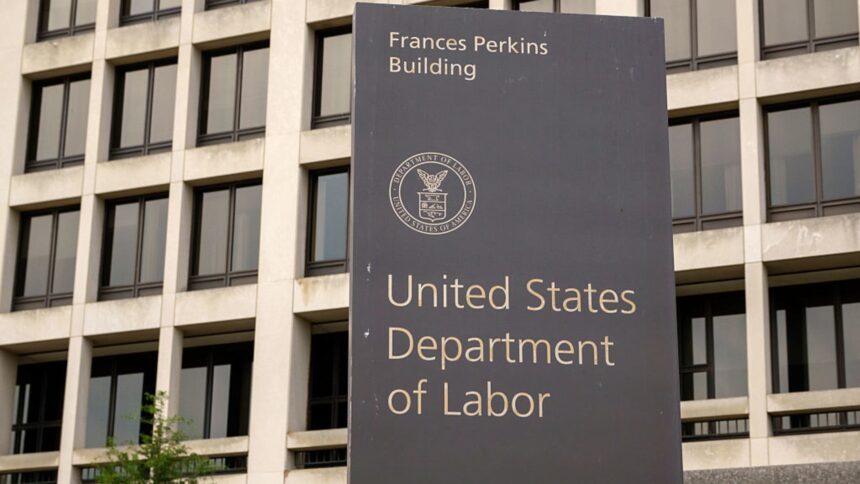
The Department of Labor has taken a significant step by proposing a rule aimed at allowing 401(k) plans to integrate alternative assets more seamlessly, including cryptocurrencies, real estate, and private market investments. This initiative is a direct response to an executive order issued by President Donald Trump in August, which urged both the Labor Department and the Securities and Exchange Commission to broaden access to these nontraditional investment options within retirement plans.
Labor Secretary Lori Chavez-DeRemer emphasized that this proposed rule intends to enable retirement plans to consider investment products that are more reflective of the modern investment landscape. Advocates argue that incorporating alternative investments into 401(k) plans could offer retirees enhanced diversification and the potential for higher returns, distancing their portfolios from the fluctuations of public markets.
However, not all voices are in favor of this direction. Financial advisors have raised warnings about the readiness of average 401(k) investors to engage with these complex investments. They argue that many participants may not possess the requisite knowledge or experience, which can lead to increased risks and expenses associated with alternative assets.
The Labor Department’s proposal arrives during a challenging period for private credit markets, which are facing pressures from investor redemptions and a heightened scrutiny of overexposure to technological investments, particularly in the wake of developments in artificial intelligence.
Although 401(k) plans are not explicitly prohibited from including alternative investments, many plan sponsors have refrained due to fears of potential litigation stemming from their investment choices. To mitigate these concerns, the proposed rule introduces a “safe harbor” provision designed to protect plan sponsors from legal repercussions. This rule outlines six critical factors that fiduciaries must consider when evaluating alternative investments: performance, fees, liquidity, valuation, performance benchmarks, and complexity.
Before the proposal can be finalized, it must undergo further scrutiny, which includes a 60-day public comment period.
Meanwhile, experts like Josh Brown, CEO of Ritholtz Wealth Management, express skepticism about the advantages of such alternatives for the average investor. He argues that retail investors are generally better served by traditional index funds, which tend to outperform many professional investment strategies and maintain lower costs. Brown is particularly critical of the idea that 401(k) investors would gain access to top-tier alternative fund managers or the best investment funds, suggesting that they would likely face significantly higher fees, owing to their reduced bargaining power.
This proposed rule by the Labor Department builds on earlier initiatives taken by the Trump administration, which aimed to promote the inclusion of nontraditional asset classes among retail investors. Notably, it follows a move made in May to rescind previous cautionary guidance issued during the Biden administration regarding the integration of cryptocurrencies and other digital assets into 401(k) plans. Biden-era officials had advised extreme caution, citing serious risks related to fraud, theft, and other potential pitfalls linked to digital investments, particularly in the context of safeguarding investors’ retirement savings.