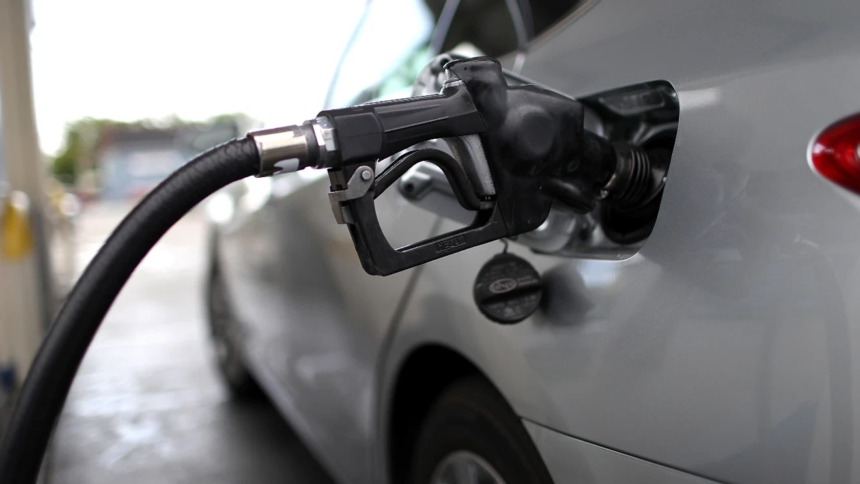
In an alarming economic development, diesel fuel prices have surged to unprecedented levels in Washington state, with the average hitting $6.55 per gallon on Friday, according to data from AAA. This surge marks a new peak for diesel prices, only weeks after previous records were set. In Seattle, the situation is even more severe, with diesel prices averaging a staggering $6.69 per gallon. Some local gas stations, like one in Georgetown, have reported prices as high as $7.07 per gallon.
Truck drivers and the transportation businesses heavily reliant on diesel are feeling the financial strain. General Manager Jason Mitchell of United Motor Freight Trucking Company, which operates near the port of Seattle, noted that their trucks average only about 5 miles per gallon. While his company is equipped to handle the rising costs—passing on the expenses to customers through a fuel surcharge—smaller operators are reportedly facing significant challenges. Mitchell mentioned that many smaller trucking firms might have trucks idling rather than on the road due to the unsustainable costs.
For context, the fuel surcharge that United Motor Freight charges has skyrocketed from approximately 45 cents per mile a year ago to $1.06 per mile this week, illustrating the pronounced impact that fuel prices are having on operational costs.
Economic experts weigh in, attributing much of the increase to geopolitical factors, specifically the ongoing conflict in Iran, which has disrupted global supply chains. Associate Professor Nick Huntington-Klein from Seattle University indicated that the situation surrounding the Strait of Hormuz— a vital shipping route for oil—will be pivotal in determining future price trends. “If the Strait of Hormuz opens tomorrow, then we would expect gas prices would continue to rise for a little while,” he explained, indicating the uncertainty that lies ahead.
Huntington-Klein also highlighted additional contributing factors within the state, including renewed climate commitments that have led to price hikes due to the Climate Commitment Act. This legislation mandates that fuel suppliers purchase emissions allowances through auctions, expenses that are largely transferred to consumers at the pump.
As these economic pressures mount, both trucking companies and consumers are bracing for a challenging period ahead, navigating the complexities of rising fuel costs intertwined with broader geopolitical and regulatory landscapes.