Do Kwon, the former CEO of Terraform Labs, received a 15-year prison sentence on Thursday in a case that involved the catastrophic collapse of two cryptocurrencies that collectively erased $40 billion. During the sentencing hearing, a judge characterized Kwon’s actions as an “epic fraud” on a “generational scale,” highlighting the extraordinary fallout from the upheaval.
Kwon, along with fellow entrepreneur Daniel Shin, introduced the Terra blockchain in 2018, initially supporting stablecoins pegged to traditional fiat currencies, such as the Korean won. The project eventually shifted its focus to TerraUSD (UST), an algorithmic stablecoin designed to maintain a $1 value primarily through backing by LUNA, the native cryptocurrency of Terra. UST relied on an automated mechanism intended to adjust supply based on its market price, a concept that has long been regarded as a “Holy Grail” within the cryptocurrency sphere. However, the intricacies involved in achieving a decentralized stablecoin proved to be formidable.
As UST gained traction, its popularity led to an unprecedented rise in the value of LUNA, fueled by the DeFi boom in 2021. The announcement of the Anchor Protocol, which promised nearly 20% annual yields on UST deposits, drew significant capital, pushing UST’s market cap to $10 billion by early 2022. However, the promise of high yields was unsustainable, and when a downturn hit the broader crypto market, UST’s stability collapsed under the weight of a mass exodus of investors. The resulting hyperinflation of LUNA, aimed at handling the inflow of investors attempting to exit UST, ultimately led to the system’s irreparable downfall. Within a week, the collapse erased $40 billion in value, severely affecting retail investors while sophisticated traders managed to exit early.
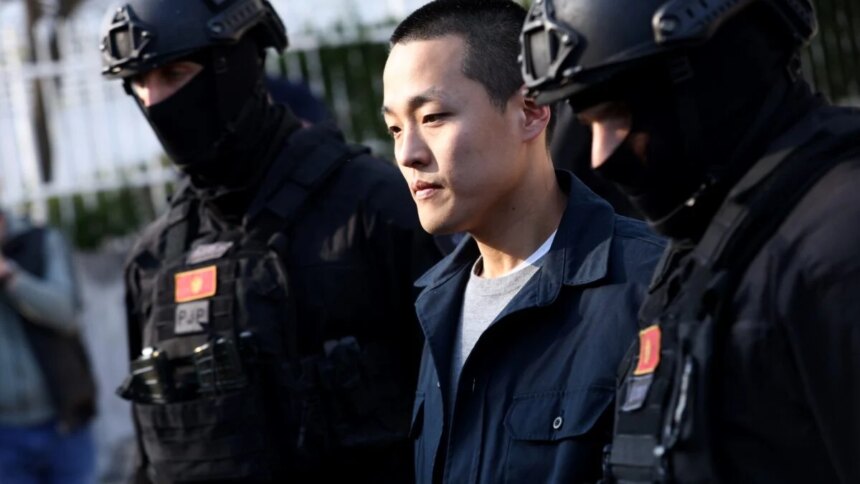
Kwon, who evaded legal scrutiny for a period, was eventually arrested in Montenegro amid growing fraud charges in multiple jurisdictions. The fallout from the UST and LUNA collapse also contributed to a broader market reckoning that saw the downfall of other significant entities like the crypto exchange FTX in late 2022.
In the courtroom during the sentencing, victims of the Terra collapse shared their harrowing experiences, shedding light on the personal tragedies tied to the catastrophic financial loss. Chauncey St. John, who founded the Angel Protocol for nonprofit giving, expressed deep sorrow for the organizations affected, revealing he lost $1 million that severely impacted his family’s retirement savings. He had to halt donations and aid initiatives amid the crisis and, despite his anguish, extended a message of forgiveness toward Kwon.
Another victim, Jake Collis, recounted how the fallout not only impacted his financial standing but claimed a close friend’s life, leaving him grappling with loss and frustration over Kwon’s actions. Stanislav Erofimthuk, who liquidated his life savings based on promises of a safe yield, described the personal devastation that followed, including a divorce, as his $190,000 investment disintegrated.
Tatiana Dontsova shared a particularly poignant story of her financial and emotional decline, having sold her property in Moscow for an $81,000 investment that dwindled to just $13. Now facing homelessness and chronic illness, she called out Kwon for his apparent lack of accountability while enduring deep depression.
As Kwon’s sentencing unfolded, Judge Paul Engelmayer received over 300 letters from investors worldwide, featuring heartbreaking accounts of lost savings and the detrimental impact on families. During the proceedings, Kwon maintained that he genuinely believed in the vision of Terra, but the devastation endured by the investors remained palpable and unyielding, regardless of his intentions.