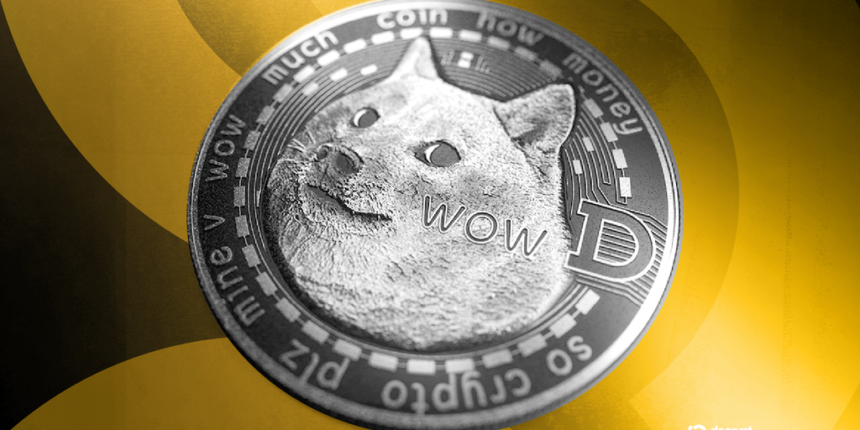
In 2025, Dogecoin navigated a tumultuous landscape marked by political controversies and corporate maneuvers, resulting in a significant decline in its price. Although the cryptocurrency experienced a brief surge due to associations with U.S. political initiatives, it ultimately fell sharply, erasing its earlier gains.
The year saw Dogecoin linked to the Trump administration’s newly established Department of Government Efficiency (DOGE), fronted by billionaire Elon Musk. This initiative aimed to minimize government spending and found itself at the epicenter of controversy from the outset. Shortly after President Trump’s inauguration, the department faced a lawsuit alleging its operations violated the Federal Advisory Committee Act. The legal challenges were compounded by policy missteps, which included controversial cuts to healthcare and foreign aid, further damaging its public image.
During this chaotic period, the Dogecoin logo was temporarily featured on the Department of Government Efficiency’s website, resulting in a brief spike—14%—in the token’s market capitalization. However, the logo’s removal led to an immediate price drop, emphasizing the market’s volatility tied to the department’s shifting fortunes. Musk entertained the idea of using a public blockchain for the agency, but this plan never materialized.
The politicization of Dogecoin extended beyond administrative ties. Community leaders emphasized a return to grassroots principles, with advocates rallying around the motto “Do Only Good Every Day.” Despite the controversies, many in the Dogecoin community remained optimistic about the future.
On the corporate front, Dogecoin gathered momentum as it became increasingly embraced by public companies and institutional investors. In January, REX Shares proposed an ETF for Dogecoin, although the anticipated approval did not materialize in the expected timeframe. By March, the Dogecoin Foundation had established the House of Doge, earmarking funds for initiatives to enhance corporate adoption of the cryptocurrency.
Throughout the year, several companies—including a rebranded cannabis firm and a Bitcoin treasury company—acquired significant amounts of Dogecoin, intending to diversify their treasury assets. In September, CleanCore Solutions announced it had amassed a substantial DOGE treasury, bolstered by high-profile connections to the Dogecoin Foundation.
Despite these advancements and even the launch of Dogecoin-focused ETFs, the token did not achieve a new all-time high, disappointing many in the community. Conversely, analysts noted that Dogecoin is evolving from a speculative asset to a currency with actual utility—a shift that reflects broader market trends.
As the year came to a close, the sentiment among Dogecoin advocates indicated a desire for a more stable future focused on utility gains rather than mere speculation. As they look toward 2026, the Dogecoin community remains resilient, intent on leveraging their collective efforts to ensure the cryptocurrency’s long-term viability and success.