The dollar has experienced a downward shift today, aligning closely with fluctuating oil prices. After reaching a high of $119.50 per barrel yesterday, West Texas Intermediate (WTI) crude oil has notably reversed course, dropping to $87.10 today. This sudden change is partly attributed to a new wave of optimism among market players regarding the US-Iran conflict, despite ongoing volatility in the oil market.
As optimism surrounds potential resolutions in the Middle East, market watchers remain cautious. The sustainability of this optimism is questionable, particularly in the absence of concrete advancements on energy disruptions. This uncertainty raises concerns that, without progress, a re-evaluation of market positions may become necessary.
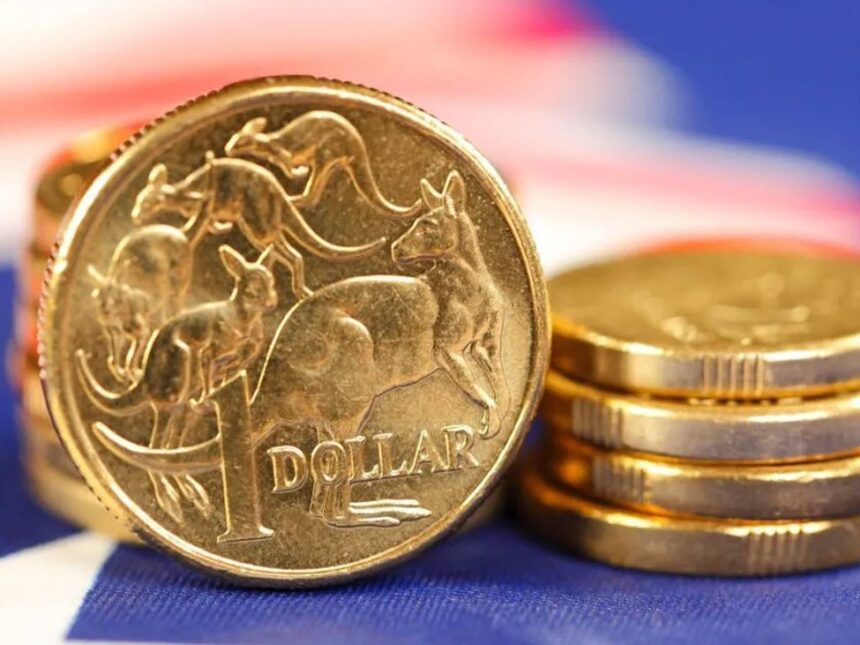
In response to the current backdrop, traders are adapting to a seemingly improved market sentiment. Oil prices are stabilizing below the $90 mark, while equities are staging a rebound; S&P 500 futures have risen by 0.3% after an initial lackluster performance. The dollar’s depreciation against major currencies allows the Australian dollar to lead the pack, gaining 0.4% to reach 0.7103 against the dollar.
The daily chart for the AUD/USD pair indicates that it has managed to maintain daily closes above the critical 0.7000 level since last week. The recent downturn nearly breached this threshold, but a favorable shift in market sentiment helped turn the tide. Now, analysts are eyeing a potential test of the highs observed in August 2022 and January 2023, specifically in the 0.7135-50 range, which is seen as a pivotal moment for future gains.
While the focus remains on the US-Iran situation, the attention of the markets will soon shift to upcoming discussions surrounding central bank policies. The Reserve Bank of Australia (RBA) is positioned prominently in this narrative, having been the first major central bank to resume interest rate hikes due to persistent fears of inflation. Given the current volatility in oil prices—which could escalate inflationary pressures worldwide—the RBA may need to act swiftly and aggressively.
Amidst this backdrop, traders are currently estimating around a 35% likelihood of a rate hike occurring next week, with an expectation of approximately 61 basis points worth of hikes factored in for the remainder of the year. As the risk sentiment gradually improves and market focus shifts away from geopolitical tensions, the Australian dollar seems poised to benefit from a favorable divergence in monetary policy, positioning it strongly against its peers.