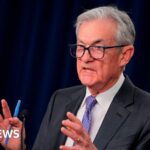
The U.S. dollar experienced a decline, and equity futures for the S&P 500 dipped following alarming comments from Federal Reserve Chair Jerome Powell. In a troubling revelation, Powell disclosed that the Trump administration threatened him with a criminal indictment related to his congressional testimony about a Fed building renovation project. This assertion raised immediate concerns about the independence of the Federal Reserve, a cornerstone of U.S. economic stability.
In the aftermath of Powell’s comments, S&P 500 futures dropped by 0.5%, while European futures saw a slight decrease of 0.1% during the early Asian trading session. The dollar weakened by approximately 0.2% against major currencies, settling below 158 yen and at $1.1660 per euro. Traders expressed unease, although the immediate consequences for interest rates remained unclear.
In terms of U.S. Treasury yields, the benchmark 10-year Treasury futures rose by 3 ticks, reflecting an implied yield of 4.15%, which is about one basis point lower than Friday’s close in the cash market. Fed fund futures indicated an increased probability of interest rate cuts this year, albeit marginally, suggesting that the central bank may face pressure to implement more aggressive monetary policies.
Adding complexity to the economic landscape, gold prices soared to a record high exceeding $4,600 per ounce, fueled by unrest in Iran. This geopolitical discontent also impacted oil prices, which maintained their upward trajectory.
Powell’s statement on the alleged threats from the Trump administration represents a significant escalation in the ongoing conflict between him and the president, a strained relationship that has unfolded since Powell’s tenure began in 2018. Andrew Lilley, chief rates strategist at Barrenjoey, noted that Trump’s actions appear to be an effort to undermine the central bank’s independence, highlighting that pressure on the Fed indicates a lack of other viable options for the administration.
Market reactions noted a pronounced decline in the dollar, even against risk-sensitive currencies such as the Australian and New Zealand dollars, offering temporary respite for the yen, which edged away from intervention-risk levels. Ray Attrill, head of currency strategy at National Australia Bank, commented on the current tensions, underscoring that the discord between the Fed and the U.S. government is detrimental for the dollar’s standing.
On the international front, Trump’s threats regarding potential interventions in Iran, amid intensifying protests against its clerical establishment, underscored the rising geopolitical risks that could shape market dynamics in the coming year. While benchmark Brent crude futures saw minor reductions, settling at approximately $62.90 per barrel, they retained recent gains amid these geopolitical developments.
As the second full week of the New Year unfolds, investors will be keenly awaiting U.S. inflation data, trade statistics from China, and a series of earnings reports starting with JPMorgan Chase and BNY on Tuesday.