A prominent economist known for his insights on economic disparities has issued a warning regarding the current state of the stock market amid the ongoing conflict in Iran. Peter Atwater, who first brought attention to the concept of a K-shaped economy—where affluent individuals flourish while lower-income households face significant challenges—believes that investors may be overly optimistic about potential outcomes associated with the war.
Atwater, the president of Financial Insyghts, expressed skepticism about the market’s response, stating that investors have not fully recognized the war’s broader implications, particularly concerning inflation. He articulated concerns that American businesses might face backlash internationally due to rising living costs linked to the conflict. “The reason I wouldn’t be buying is that I don’t think investors have fully appreciated what I believe is today the biggest consequence of the war,” Atwater told Bloomberg. He highlighted the heightened risks regarding America’s reputation abroad, which has already declined in recent years amid increasing trade tensions and geopolitical conflicts. A recent Pew Research Center study showed diminishing favorability ratings for the U.S. across 15 nations.
Moreover, Atwater flagged the potential threats to American companies operating globally, particularly in light of recent statements from Iran’s Revolutionary Guard, which labeled U.S. tech firms in the Middle East as possible targets for retaliation. He noted, “I think that we have unknowingly created a moment where there’s a lot that America can and will be blamed for that is in no way reflected in current market prices.”
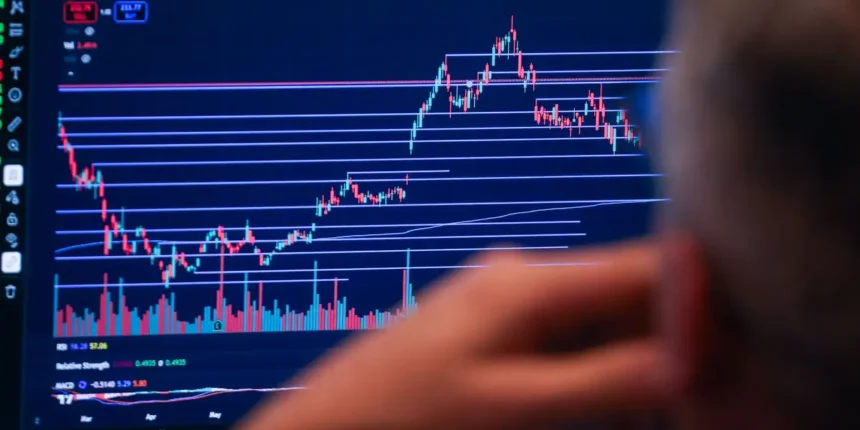
The ongoing war has contributed to heightened market volatility, yet major indexes like the Dow and Nasdaq are not far from their all-time highs, despite witnessing declines of up to 10% from recent peaks. The S&P 500 approached an official correction, reflecting investor anxiety surrounding the economic fallout from the Iran war. Predominant fears include the potential for increased oil prices to stoke inflation, which could adversely affect consumer spending and overall economic growth.
Atwater specifically highlighted the profound impact rising fuel costs may have on lower-income households. He stressed that food affordability would become an increasingly pressing issue for these families, both domestically and internationally. The closure of crucial shipping routes, such as the Strait of Hormuz, has also led to rising costs for other commodities, including fertilizers, further exacerbating food price challenges.
“I pay very close attention to the ability of those at the bottom to feed themselves. And we know that is a growing issue,” he said, evoking concern over possible societal unrest reminiscent of the Arab Spring uprisings in the early 2010s. While the potential for economic damage due to the war is amplifying, there remains a sense of optimism among some investors regarding a possible conclusion to hostilities. This was evidenced by market gains following President Trump’s comments on social media implying that Iran had requested a ceasefire, prompting speculation about a market rebound.