








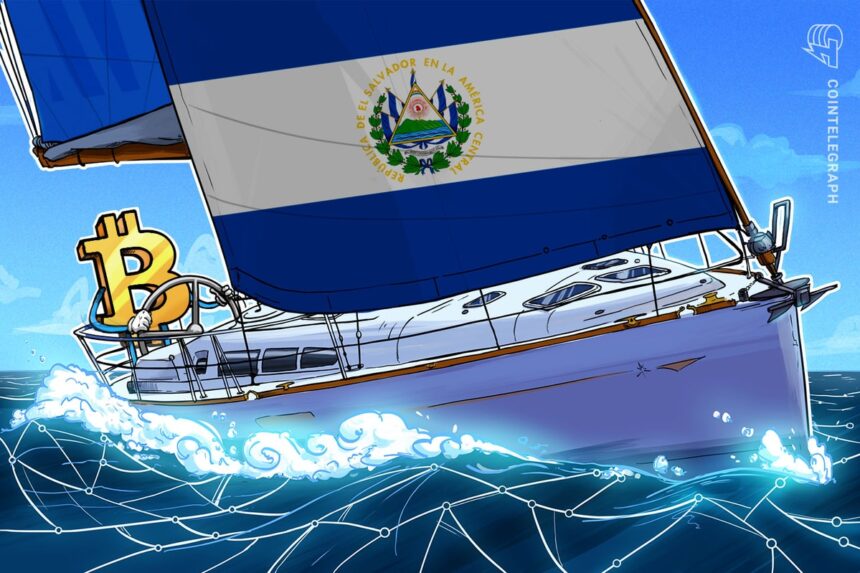
El Salvador is marking the anniversary of its Bitcoin legal tender law with significant developments in its cryptocurrency landscape. Celebrated as “Bitcoin Day,” the event underscores the country’s ongoing engagement with Bitcoin (BTC) and highlights the current state of its Bitcoin strategic reserve, which now consists of 6,313 BTC valued at over $702 million. This information was shared by the Bitcoin Office on social media platform X, showcasing not only the reserve but also the introduction of a new banking law designed to enable BTC investment banks to cater to sophisticated investors.
Further enhancing its Bitcoin credentials, El Salvador has seen around 80,000 public servants acquire Bitcoin certifications by 2025, alongside initiatives aimed at fostering public education in Bitcoin and artificial intelligence. Despite these advancements, the government’s approach to Bitcoin has encountered notable challenges.
While El Salvador was the pioneer in adopting Bitcoin as legal tender, its policies have faced significant scrutiny, particularly after the legislature repealed the Bitcoin legal tender law. This decision stemmed from obligations tied to a $1.4 billion loan agreement with the International Monetary Fund (IMF). As part of the agreement, the government committed to ceasing any further purchases of Bitcoin with public funds, casting a shadow on the nation’s ambitious Bitcoin initiative that began four years ago.
The mixed outcomes of El Salvador’s Bitcoin strategy have sparked divided opinions within the Bitcoin community. Concerns have escalated following an IMF report in July which indicated that El Salvador had not acquired any additional Bitcoin since the loan agreement was signed in December 2024. The report included a letter of intent from top financial officials in the country, affirming that the government’s BTC balance remained unchanged.
Critics, including Bitcoin advocates and various non-government organizations, argue that while the government may benefit from BTC policies, average citizens have seen little in terms of tangible advantages. They assert that more educational initiatives are crucial for promoting the decentralized cash system among local populations, rather than solely benefiting governmental institutions and international entities.
As El Salvador continues to navigate its unique position in the world of cryptocurrency, the future of its Bitcoin experiment remains uncertain, with ongoing debates about the actual benefits and challenges of this groundbreaking initiative.


