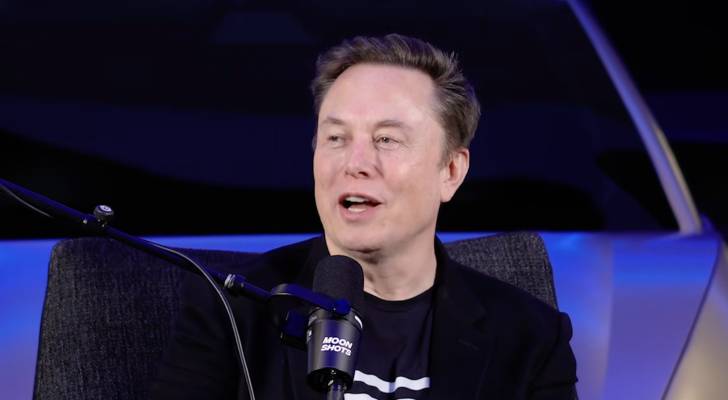
Elon Musk has recently sparked a significant conversation surrounding the traditional approach to retirement savings, a topic that many consider essential for financial security. During a recent episode of the Moonshots podcast hosted by Peter Diamandis, Musk made headlines by asserting that the conventional concept of saving for retirement could become “irrelevant” in the coming decade or two due to advancements in artificial intelligence, robotics, and energy technologies. He paints an ambitious vision of a future characterized by abundance, where machines perform most jobs, goods and services are widely available and affordable, and access to healthcare and education is free. Musk envisions a system where a “universal high income” guarantees that everyone’s basic necessities are met, suggesting that concerns over retirement savings may no longer apply.
However, before taking his statements as a cue to abandon savings plans, it’s essential to critically examine his claims. Musk’s thesis rests on an extraordinary premise—that technological advancements will drive productivity to such an extent that scarcity, which fundamentally supports the concepts of money, work, and saving, will effectively cease to exist. This optimistic viewpoint leads him to argue that the significance of traditional retirement planning may dwindle in this envisioned future.
Nevertheless, this perspective carries both speculative optimism and potential pitfalls. Musk does acknowledge that this transformation might not be smooth, indicating that society could face upheaval or a crisis of purpose as traditional jobs diminish in importance. While Musk is not offering standard financial advice, his influence raises concerns that many may misinterpret his comments as encouragement to stop saving for retirement, particularly among younger generations who are still establishing their financial futures.
The reality for many Americans stands in stark contrast to Musk’s vision. Data reveals that nearly half of U.S. households had no retirement savings as of 2022, with only about 25% holding more than $100,000. Furthermore, AARP reports that 20% of individuals aged 50 and older lack any retirement savings, and more than half of this demographic feel unprepared for retirement. Many workers express that they are behind in their retirement planning, acknowledging insufficient savings or late starts in their contributions. Financial planners typically advocate for saving enough to replace a significant portion of pre-retirement income, often amounting to hundreds of thousands or even millions. These figures highlight a considerable gap between current savings and what is generally deemed necessary for a secure retirement.
In this context, Musk’s assertion that savings might soon become irrelevant could mislead individuals, providing a false sense of security and potentially encouraging them to neglect their retirement plans. Such oversimplified messaging could contribute negatively to financial habits, leading people to postpone savings or forgo participation in employer matching plans. For those grappling with rising costs due to inflation, student debt, housing expenses, and healthcare issues, the prospect of retirement may already appear distant and daunting. Messages suggesting that retirement planning is unnecessary could further exacerbate this sense of uncertainty.
Historically, advancements in technology have indeed increased productivity and created economic opportunities. However, there is no guarantee that these developments will equitably benefit everyone or arrive in a timeline that aligns with Musk’s predictions. Most financial experts agree that prudent retirement planning remains vital in today’s economic landscape, given the absence of any reliable system or policy ensuring universal income or the elimination of scarcity in the near future.
In the meantime, individuals are tasked with constructing their own financial safety nets. Rather than viewing Musk’s remarks as strategic financial guidance, they should be considered as indicative of potential future changes in work and income. Approach retirement planning based on current circumstances, not speculative futures. This entails consistently contributing to retirement accounts—especially when employers match contributions—building an emergency fund, regularly reviewing and adjusting savings goals, and staying informed about economic and technological trends.
In short, the best strategy is to prepare for present realities while remaining adaptable to possible seismic shifts in the economy.