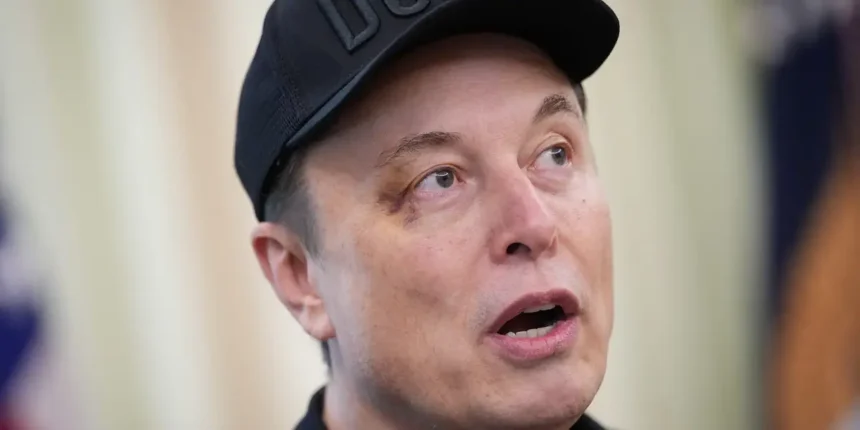
During Tesla’s latest earnings call, CEO Elon Musk launched into an impassioned defense of his proposed pay package, which could reach up to $1 trillion. Musk stated he prefers not to label it “compensation,” emphasizing that his main concern is about retaining sufficient voting power to steer Tesla towards its ambitious future, particularly in the realms of artificial intelligence, robotaxis, and humanoid robots. He expressed discomfort about the possibility of being ousted despite achieving technological advancements, pointing to proxy advisory firms Institutional Shareholder Services (ISS) and Glass Lewis as entities threatening his influence, labeling them “corporate terrorists.”
Musk indicated that he requires around “mid-20s” percentage voting power to maintain a “strong influence” within Tesla, while still wanting to be accountable, implying that he could be removed should he lose touch with rational decision-making. His comments came as Tesla executives rallied shareholders to support a vote scheduled for November 6 regarding his proposed compensation package.
This unprecedented deal would grant Musk stock worth up to $1 trillion, contingent upon meeting a series of ambitious performance targets that include elevating Tesla’s market value to $8.5 trillion. Additionally, Musk would need to sell 12 million vehicles and one million humanoid robots, launch one million robotaxis, and significantly boost adjusted earnings from $16.6 billion in 2024 to an astonishing $400 billion.
Should the package gain approval, Musk’s stake in the company could increase from 13% to nearly 29%, translating to greater control over Tesla’s future direction. However, the company’s board has cautioned that a rejection of the deal could lead Musk to withdraw his engagement or even exit entirely from the firm.
Proxy advisory firms ISS and Glass Lewis have recommended that shareholders vote against Musk’s proposed compensation package. Yet, advocates for Musk, including Cathie Wood from Ark Invest, have expressed confidence in the package’s passage, predicting it will secure a decisive approval.
In a post-earnings call statement on social media platform X, Musk continued to criticize ISS and Glass Lewis, contending that they wield disproportionate influence over shareholder decisions because many major index funds delegate their voting duties to these firms, despite them lacking actual ownership in the companies. He argued that they often align their votes with arbitrary political considerations rather than shareholder interests and called for their registration as investment advisors, deeming it both absurd and potentially illegal that they operate without such oversight.
This ongoing conflict surrounding Musk’s pay package has roots in a previous controversy that surfaced last year, when a Delaware judge invalidated his 2018 compensation plan—initially valued at around $56 billion—on the grounds that Tesla’s board had been unduly swayed by Musk in approving the package. Following that ruling, Tesla attempted to revalidate the original compensation plan through a shareholder vote, positing it as a necessary measure to keep Musk focused on the company’s objectives. In June 2024, the investors ultimately voted in favor of approving the restructured pay package.
Critics argue that this latest proposal could concentrate too much power in Musk’s hands while lacking adequate accountability, especially as he engages in various other ventures. They also express concerns about whether his focus on AI and humanoid robotics may detract from Tesla’s primary business in electric vehicles.