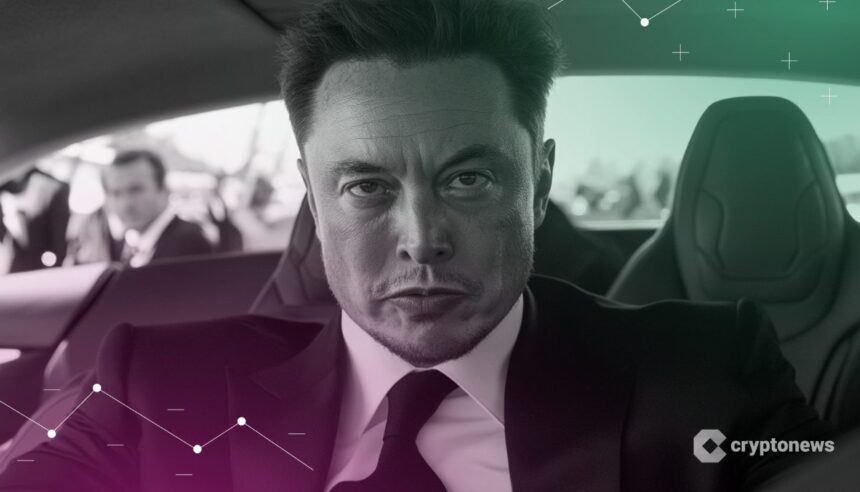
In a provocative discussion on a recent podcast with Indian entrepreneur Nikhil Kamath, Elon Musk articulated a radical vision for the future of money, suggesting that traditional currency may eventually become obsolete. Musk expressed that he believes money will fade as a fundamental concept, likening this shift to a world where “anyone can have anything.” He described this notion as “kind of strange” but posited that advancements in artificial intelligence and robotics could lead society to a point where the allocation of labor no longer requires money as a measure.
Musk drew on science fiction to illustrate his ideas, recommending that listeners explore Iain Banks’ Culture series, which depicts a post-scarcity society where material needs are effortlessly met. In such a world, he noted, while resources might be abundant, some forms of value would still hold significance. Specifically, Musk emphasized the importance of energy, declaring it “the true currency.” This assertion set the stage for his argument linking the cryptocurrency Bitcoin to this emerging paradigm.
According to Musk, Bitcoin’s energy-based model aligns seamlessly with his vision. He explained that Bitcoin miners must expend real electricity and computational resources to secure transactions, thereby grounding its digital value in tangible energy. He further distinguished energy from political power, asserting, “You can’t legislate energy.” Musk indicated that energy generation, in its essence, is inherently challenging, making it a more robust basis for value compared to traditional money systems.
He suggested that in the future, energy could emerge as the primary form of currency, meaning that entities controlling efficient and abundant energy sources would wield considerable influence over economic power. This perspective echoes Bitcoin’s proof-of-work mechanism, which transforms electrical energy and hardware into tangible digital scarcity. Supporters of this model often argue that it creates a monetary system that is resistant to inflation and manipulation by governmental policies or regulations.
However, Musk’s optimistic outlook appears amid ongoing debates about Bitcoin’s energy consumption. Critics raise concerns regarding environmental impacts, including carbon emissions and potential strain on energy grids. Conversely, advocates believe that Bitcoin mining could promote investment in cleaner energy solutions and enhance load balancing for power networks.
While Musk did not specify a timeline for this potential shift towards an energy-centric valuation system, he acknowledged that this scenario relies on speculative advancements in AI and robotics. Currently, traditional national currencies and conventional financial systems continue to dominate the landscape, while Bitcoin remains an asset that many view as a long-term bet on a transformative monetary system.