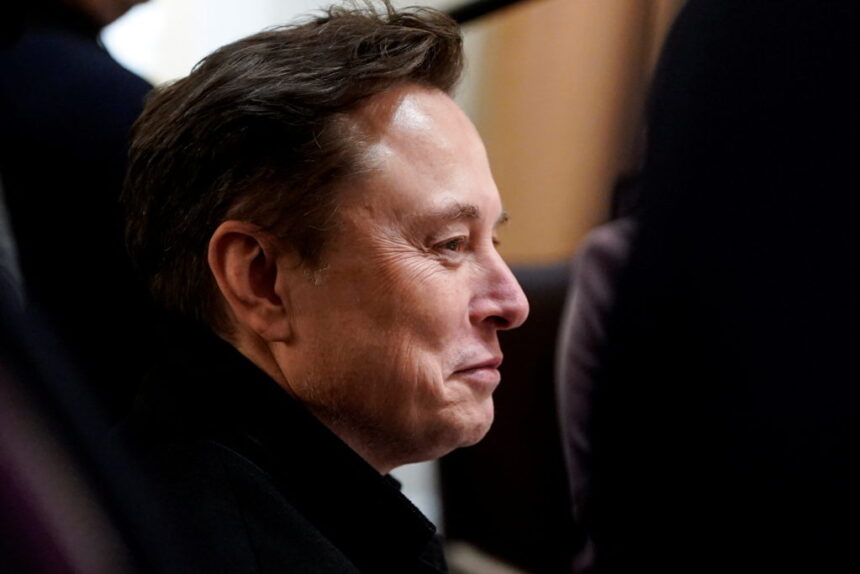
Elon Musk took the stand in San Francisco on Wednesday, defending himself against accusations of misleading investors during his tumultuous bid to purchase Twitter, now rebranded X. This civil trial centers around a class-action lawsuit filed before Musk secured control of Twitter in October 2022, six months following his initial agreement to buy the company for $44 billion, or $54.20 per share.
The lawsuit, representing Twitter shareholders who sold stock between May 13 and October 4, 2022, claims Musk violated federal securities laws, engaging in deceptive tactics that drove down Twitter’s stock price in an effort to either abandon the deal or negotiate a lower price. Musk asserted that he felt justified in reconsidering the deal, maintaining that Twitter’s board misrepresented the proportion of fake or “bot” accounts on the platform.
In his testimony, Musk donned a black suit and tie, and when questioned about whether he had threatened to “hunt down” Twitter’s board to discuss a revised price, he acknowledged the contentious nature of the negotiations. “There were a lot of threats going back and forth from both sides,” Musk said, expressing frustration with the board and accusing them of fraud.
The longstanding issue of bots on Twitter was well known before Musk initiated the deal. In 2021, the company settled claims alleging it had overstated growth and user figures, paying $809.5 million. Moreover, Twitter had previously disclosed its estimates regarding bot accounts to the Securities and Exchange Commission, emphasizing that those figures might be on the conservative side. During his testimony, Musk did not mince words, describing the board’s bot account estimates as “BS” and insisting that the claimed 5% of accounts were bots was far from accurate.
The lawsuit further alleges that Musk made misleading statements about the merger as he moved to pull out in July 2022. Following Musk’s withdrawal, Twitter sought legal action in Delaware to compel him to uphold the terms of the deal. Just before a trial was set to begin, Musk reversed his decision and agreed to proceed with the acquisition at the original price.
Musk revealed that the primary reason he ultimately completed the deal was his lawyers’ warnings regarding the bias of the judge overseeing the Delaware case, Chancellor Kathleen St. Jude McCormick. He mentioned that the judge had previously nullified a $55 billion pay package awarded to him as CEO of Tesla, although that decision came 15 months after Musk’s Twitter acquisition had concluded. The Delaware Supreme Court later overturned that ruling.
As Musk’s legal team seeks to maintain attorney-client privilege concerning discussions about this influential decision, Judge Charles Breyer indicated that he would consider unearthing additional evidence related to Musk’s perception of McCormick’s bias.
In his testimony, Musk asserted that finalizing the deal had provided substantial benefits to most Twitter shareholders. However, he acknowledged that the company’s stock fell below $33 during the negotiation limbo—approximately 40% below the original purchase price—impacting shareholders who sold their stocks amidst the resultant uncertainty.
Responding to claims about his social media activities and their potential consequences, Musk admitted that his online expressions might sometimes reflect too much of his thought process. “What I think privately is what I say publicly,” he stated, illustrating the often candid nature of his communications.
Musk is anticipated to continue his testimony in court on Thursday. This trial adds to Musk’s history of legal battles, as he previously faced accusations of investor deception linked to his 2018 Tesla acquisition plan, where he was ultimately cleared of wrongdoing.