The initial data from the Center for Medicare and Medicaid Services indicates a moderate increase in the number of Americans enrolling in Affordable Care Act (ACA) health insurance plans for the year 2026, compared to the same period last year. This rise comes despite the impending expiration of subsidies at the end of 2025, which could make affordable coverage significantly pricier for many individuals. Experts, however, caution that the current numbers may not provide a complete picture of total enrollment by the time the open enrollment period concludes, suggesting it’s premature to draw any definitive conclusions.
As of day 29 of the current enrollment window, approximately 5.8 million people had selected an ACA plan, almost 400,000 more than the figures recorded at the same stage last year. Nonetheless, this year’s enrollment is about 1.5 million lower than the count from two years ago, highlighting the variability in annual participation trends in the ACA marketplace.
For individuals looking to secure coverage that begins on January 1, the enrollment period opened on November 1 and will close on December 15. Those seeking coverage to commence later have until January 15 to enroll.
Historically, enrollment in ACA plans has seen significant fluctuations. Five years ago, around 12 million people chose an ACA plan, and the introduction of enhanced tax credits led to a substantial increase, with enrollment doubling to over 24 million within four years. Currently, the expiration of these enhanced subsidies poses a critical concern, as health care research organization KFF forecasts that average premiums for subsidy recipients could more than double if the subsidies cease.
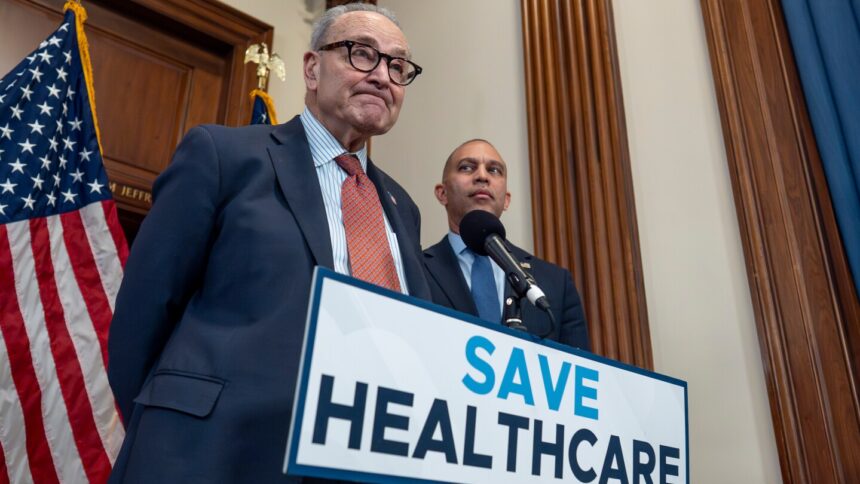
The debate surrounding tax credits has intensified in Congress, with Democrats advocating for their extension to alleviate rising health care costs. In response, the Senate is anticipated to vote on a Democratic proposal this week aimed at extending the subsidies without major alterations. However, the Republican response has been largely dismissive, with an extension looking increasingly unlikely.
Experts suggest several factors might explain the current uptick in enrollment figures. Notably, heightened media coverage surrounding the health care debates in Congress may have increased awareness and interest. Additionally, trends indicate that older, sicker individuals are more likely to complete their enrollment early in the period, while those unsure about their options may be waiting to see if Congress will act on the expiring subsidies.
There are also concerns that some individuals may switch to less expensive plans with higher deductibles, leading to a delay in observing the effects of the expiring subsidies on overall enrollment. Joe Antos, a health economist, noted that while Republicans may utilize the latest enrollment data to argue that the loss of subsidies won’t adversely impact coverage affordability, many politicians in red districts are cognizant of the potential backlash from constituents if no action is taken to extend these subsidies.